
 Start Read
Recommend
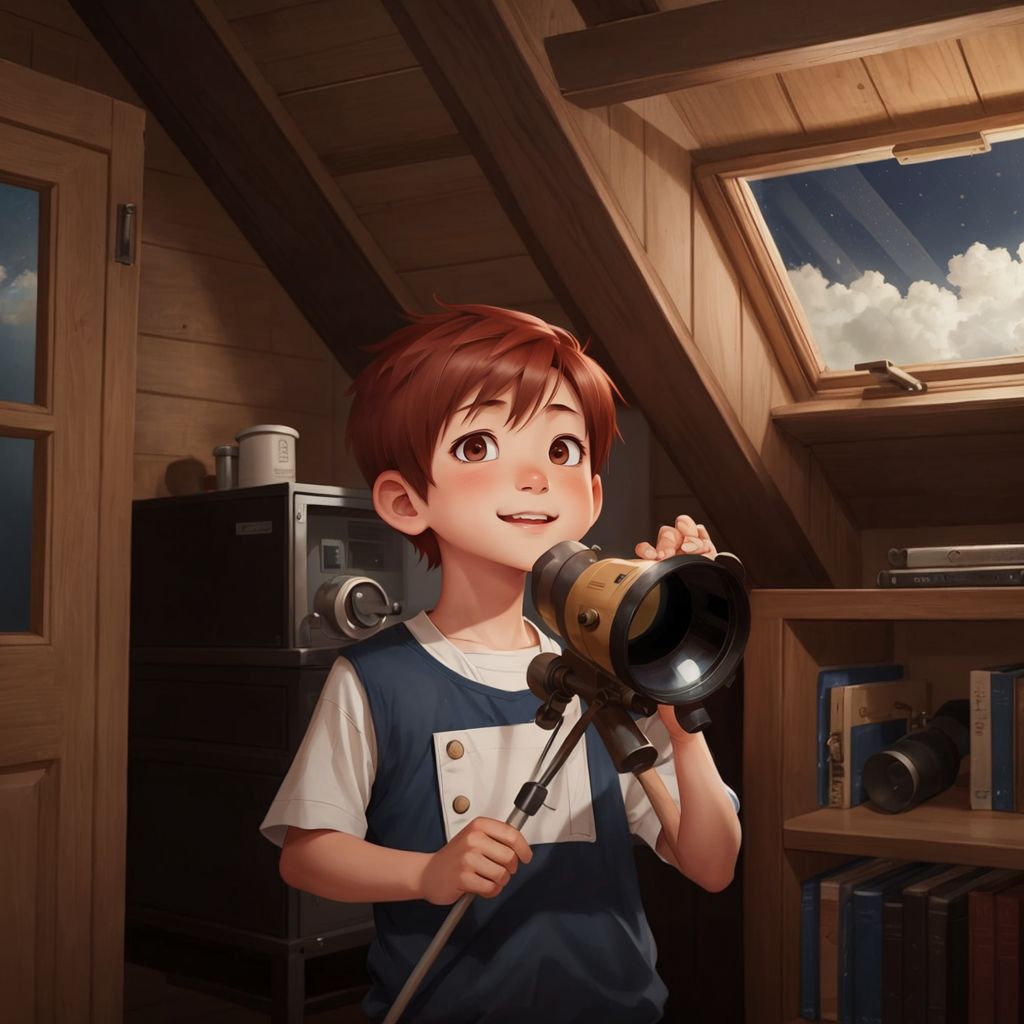
Boy who is full of curiosity about the solar system and its planets
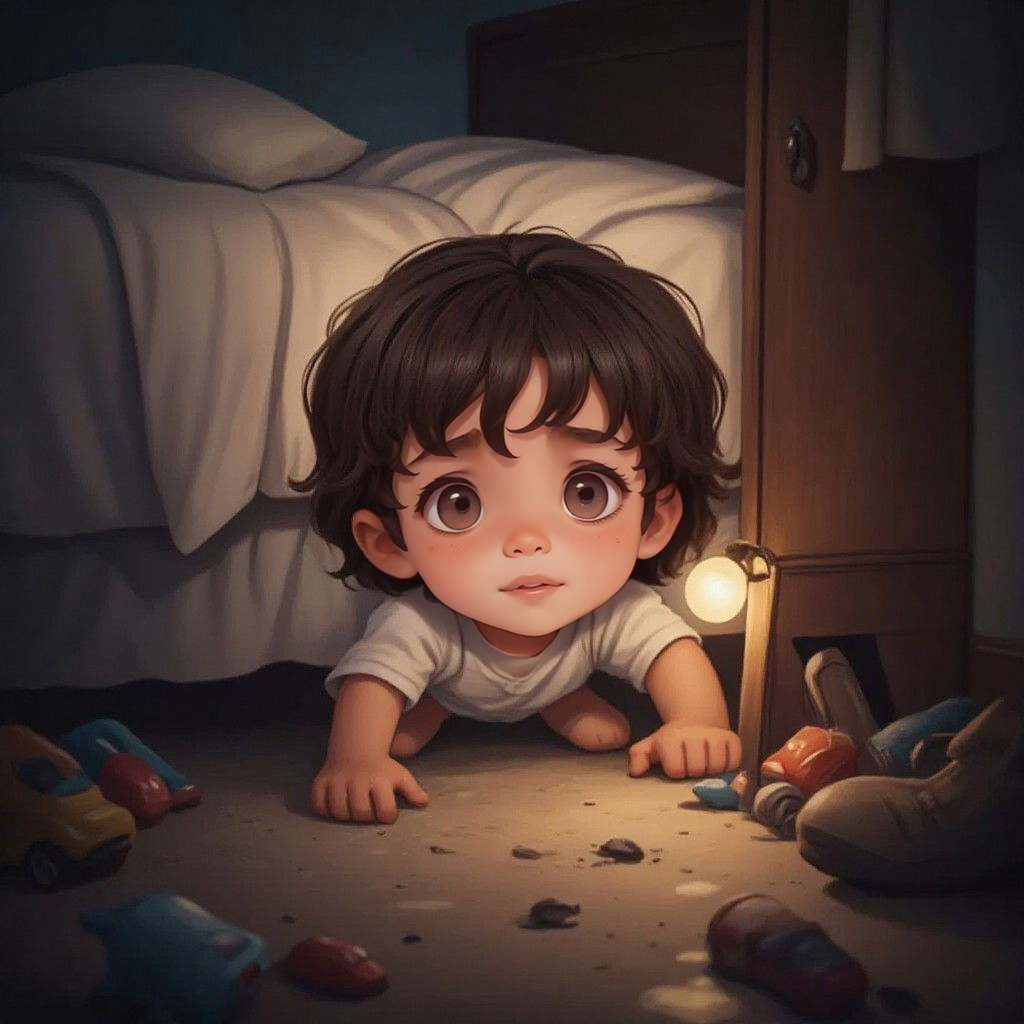
“There’s a monster under my bed and I know what you’re going to say but I swear there is! Every night when I’m laying in bed, I can hear it, a strange rumble, then scratch, scratch…. like claws scraping across the floor. So, it must be a monster. There’s no other explanation.” “I lie still trying to listen to the monster rustling about. But when I try to catch a glimpse, it’s always too dark. I can’t see a thing.” “I’ve tried keeping the lights on.” “I’ve tried checking under the bed before bedtime.” “And I’ve tried monster spray, but that just makes it sneeze” “So then I started thinking, what if the monster isn’t bad? What if it’s just lonely and needs a friend? I decided it was time to try something different.” “I take some of my favourite cookies and my favourite teddy. Maybe the monster would like those? So the next night, after dinner, I sneak them into bed. ‘Hi, Mr. Monster!’ I whisper, even though I’m still scared. ‘I brought you cookies…. And Ted, I’ll leave them here if you're hungry, but Ted is for cuddling, not eating!” “The next night, I hear it again: ‘Scratch, grrrrr, scratch!’. But this time I’m ready! I peek over the edge of the bed and wait.” “And then… I see it! A little nose pokes out, sniffing at the cookies, and then… a fat fluffy body and long fluffy tail! It’s not a monster at all! It’s my cat, Oscar!” “Oscar creeps from under the bed, stretches and hops right into my lap! I can’t believe it. The monster was my cat all along!” “Now, every night when I hear scratching under the bed, I smile because I know it’s not a monster. It’s just my cat, and he’s my friend now.” “Now, instead of getting scared, I just pat the bed and say, ‘Come on out, Oscar!’ And he does. Turns out having a monster cat under my bed is pretty awesome”
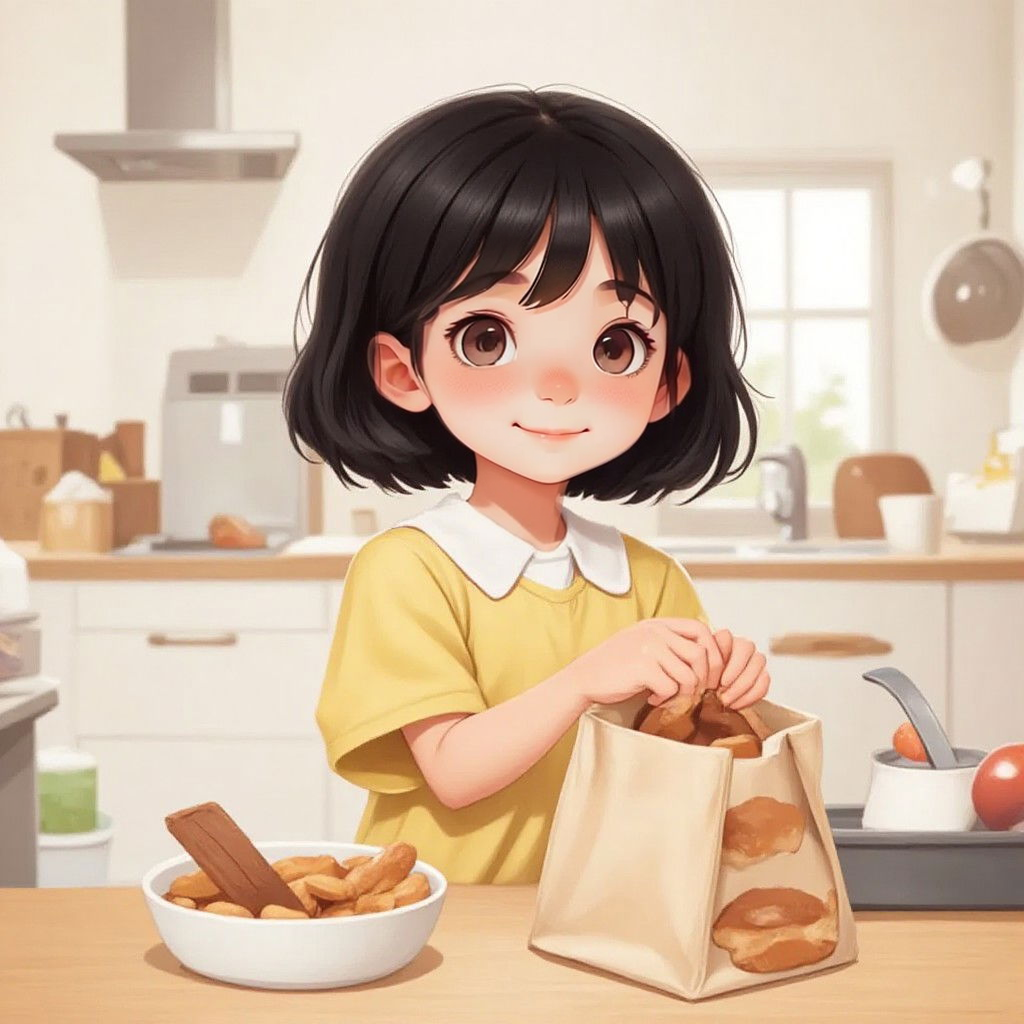
mother:Red dress Father: blue polo and black pants Ana:yellow dress Carl:blue shirt and red pants Picture 1. The mother is preparing foods in the lunch box for their vacation and their Father is preparing water, while their daughter is helping them and their little son is just playing. Picture 2. After that they ride a bus amd during the ride they saw greeny mountains, and plaza during the ride picture 3. While they are traveling sitting in the bus their daughter Ana is hungry so she it inside the bus. Picture 4. After many hours of driving they are now in the province of their grandparents they hug them.
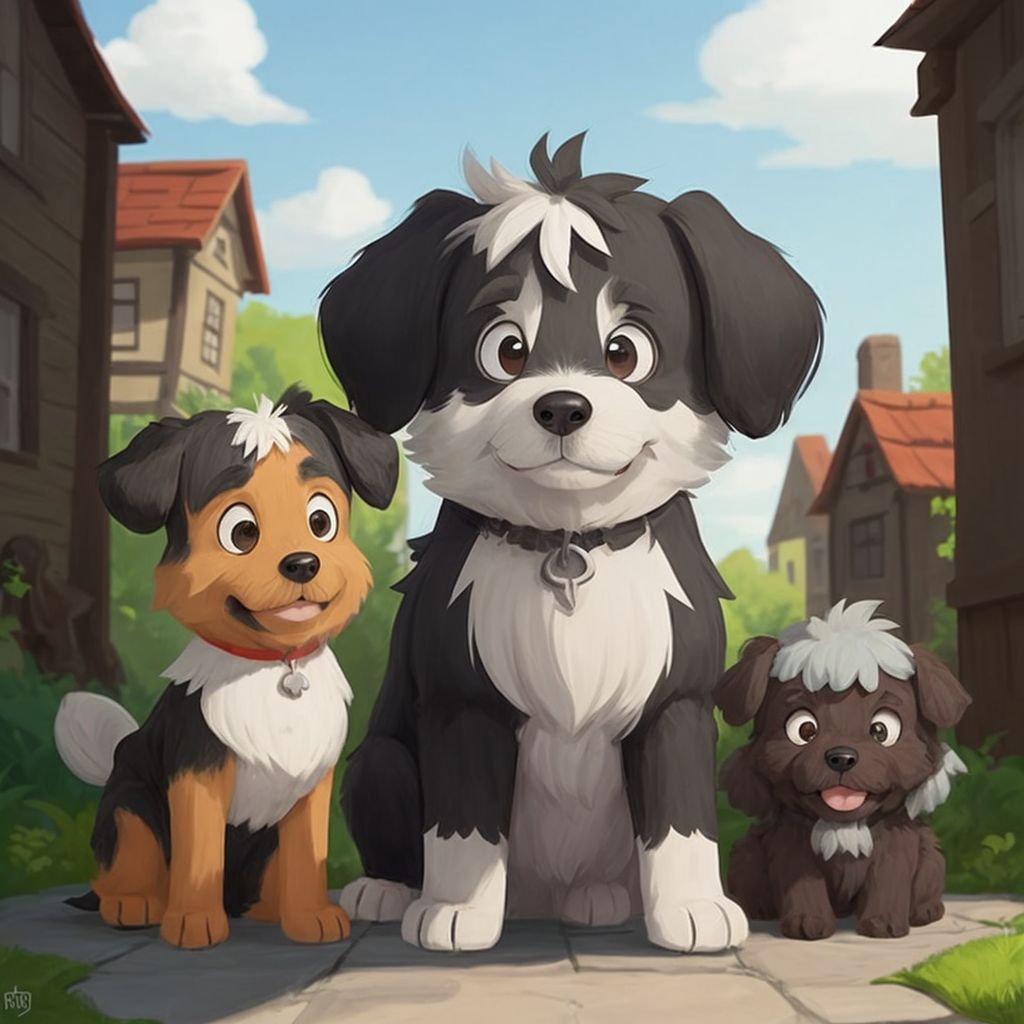
In Tinkerton, lived a mischievous yet lovable dog named Spud. Spud was known for his mischief. Spud set off into the town, ready to cause some mischief. Spud's first stop was the park, where he spotted a group of ducks waddling by the pond. Spud chased the ducks into the water, causing a big splash. "Bad Dog Spud!" quacked the ducks as they paddled away. Next, he spotted pies sitting on a windowsill. Spud snuck up and stole a pie, gobbling it up "Bad Dog Spud!" cried the baker But Spud's happiest moment came when he spotted the school bus. Spud took off after the bus. The children laughed but the bus driver shook his head and said, "Bad Dog Spud!" Spud's mischief only seemed to grow. He chased squirrels, dug up flower beds, and even tried to sneak into the local butcher’s shop. "Bad Dog Spud!" scolded the shop owner as he shooed him away. He went home, as he drifted off to sleep with dreams of more adventures. Despite his mischievous ways, there was no dog quite like Spud.
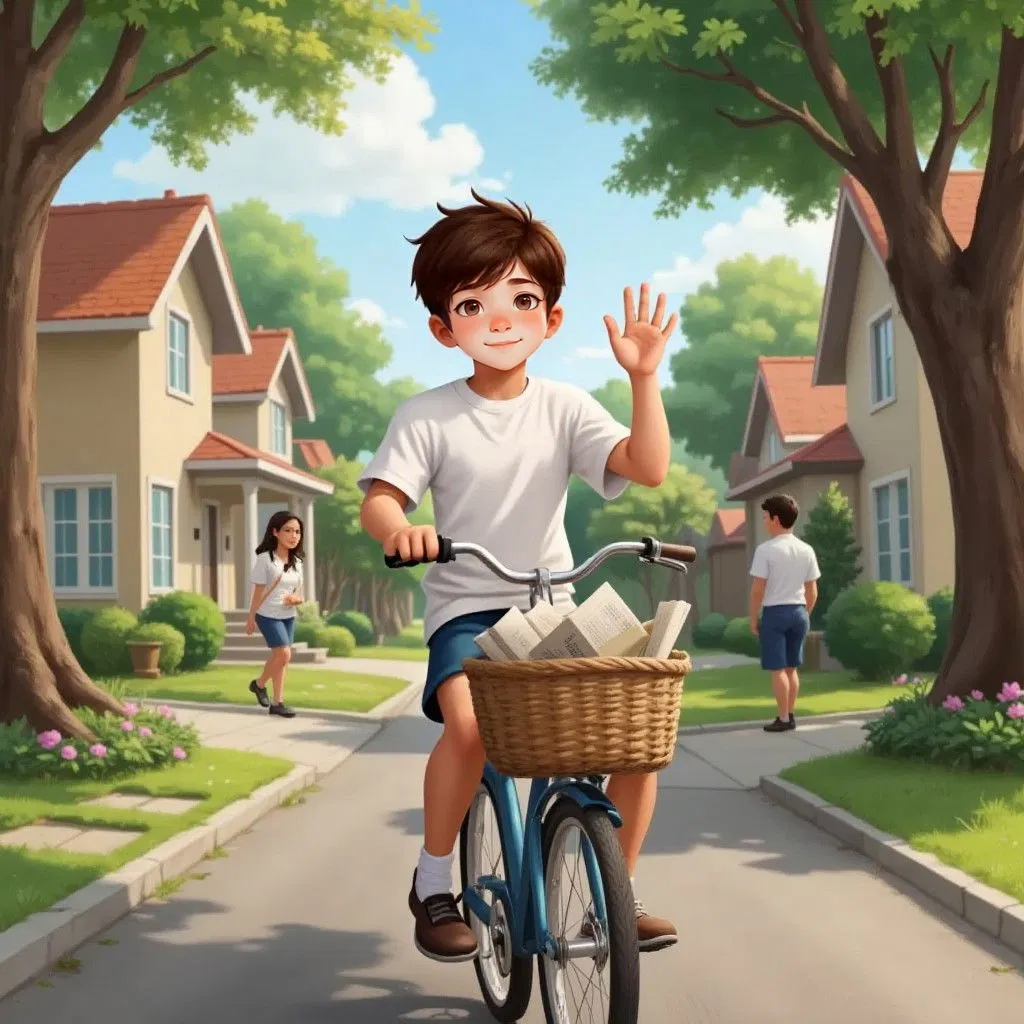
Rusty had a newspaper route and every day when he wojuld ride by Tuffy's house, Tuffy would follow him. He followed him on his route everyday and even walked him to and from school. Tuffy even went trick or Treating with Rusty. They became fast friends. As it turned out, Rusty's parents bought a house across town and they were moving soon. Rusty begged hjis parents to call tuffy;s owners and ask them if we could just keep him. Tuffy had a horrible growth growing out of his eye. Tuffy's owners said yes, Rusty could keep him and when they moved, they took Tuffy with them. Tuffy was just as happy as Rusty. It was a great friendship!

1. Ley is at the gate of the school. There is a banner hanging at the gate that says “Career Day”. There are a lot of people with different professions. 2.Ley is walking towards the front of the class. 3. Ley is in front of the class and beside him is Nurse Ardo.
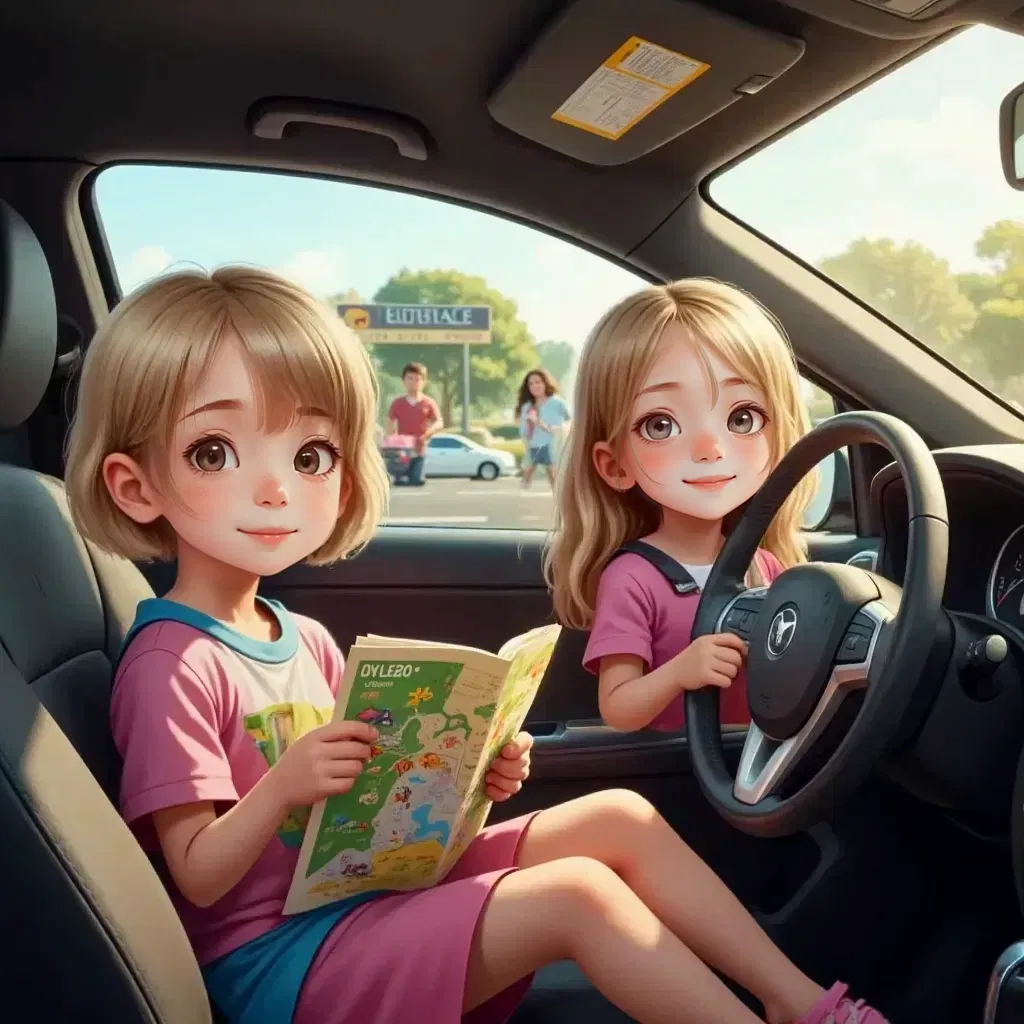
Reese and Emmerson go on an adventure to the zoo with their family

Flaco's adventures in New York

In this story Cinnamoroll the anime character is going to school. At first, he doesn't like school but as time goes on, he learns to love his teachers Ms. Hailey, Ms. Elen, and Ms. Agnes and even makes friends with his classmates.
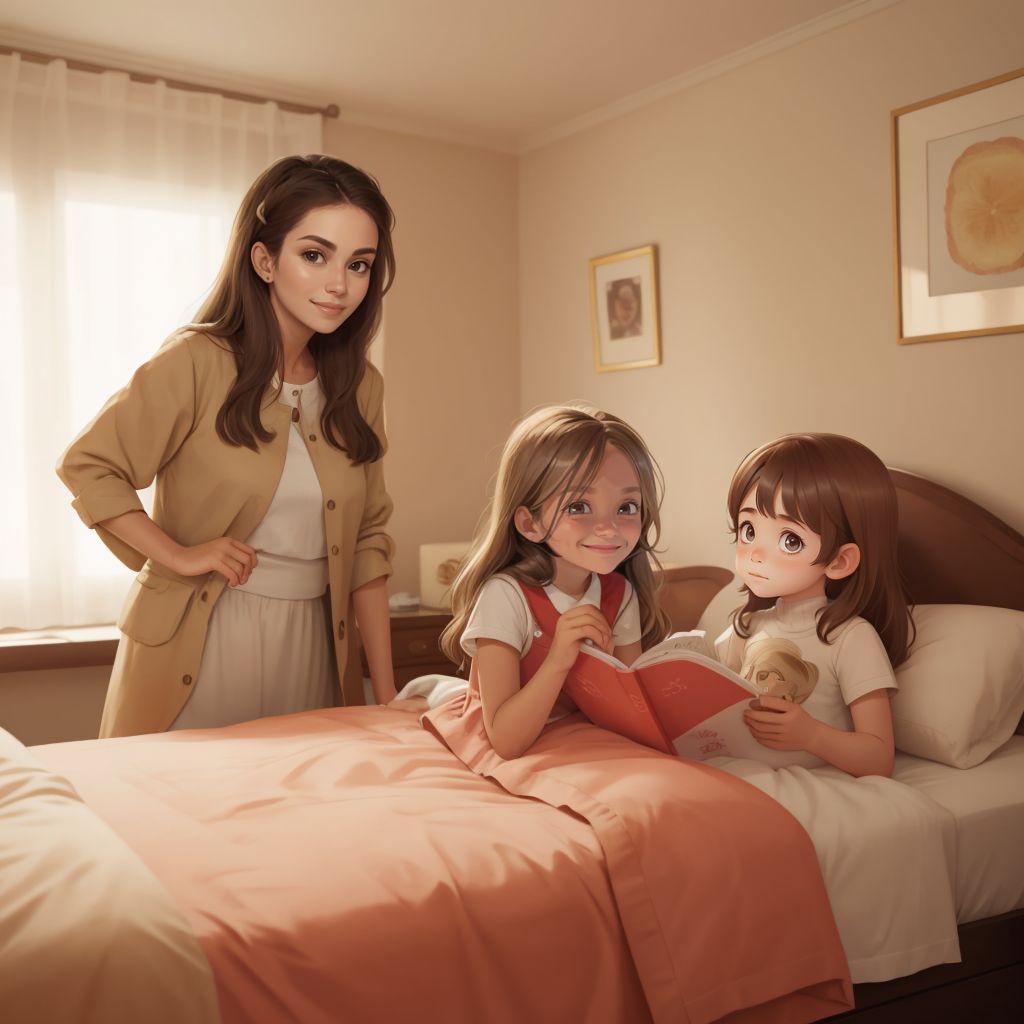
mother taking her two daughters on a dream-time adventure to tell them how wonderful the moon is, The girls take a portal door that appears at bed time, to meet their mother in the stars,
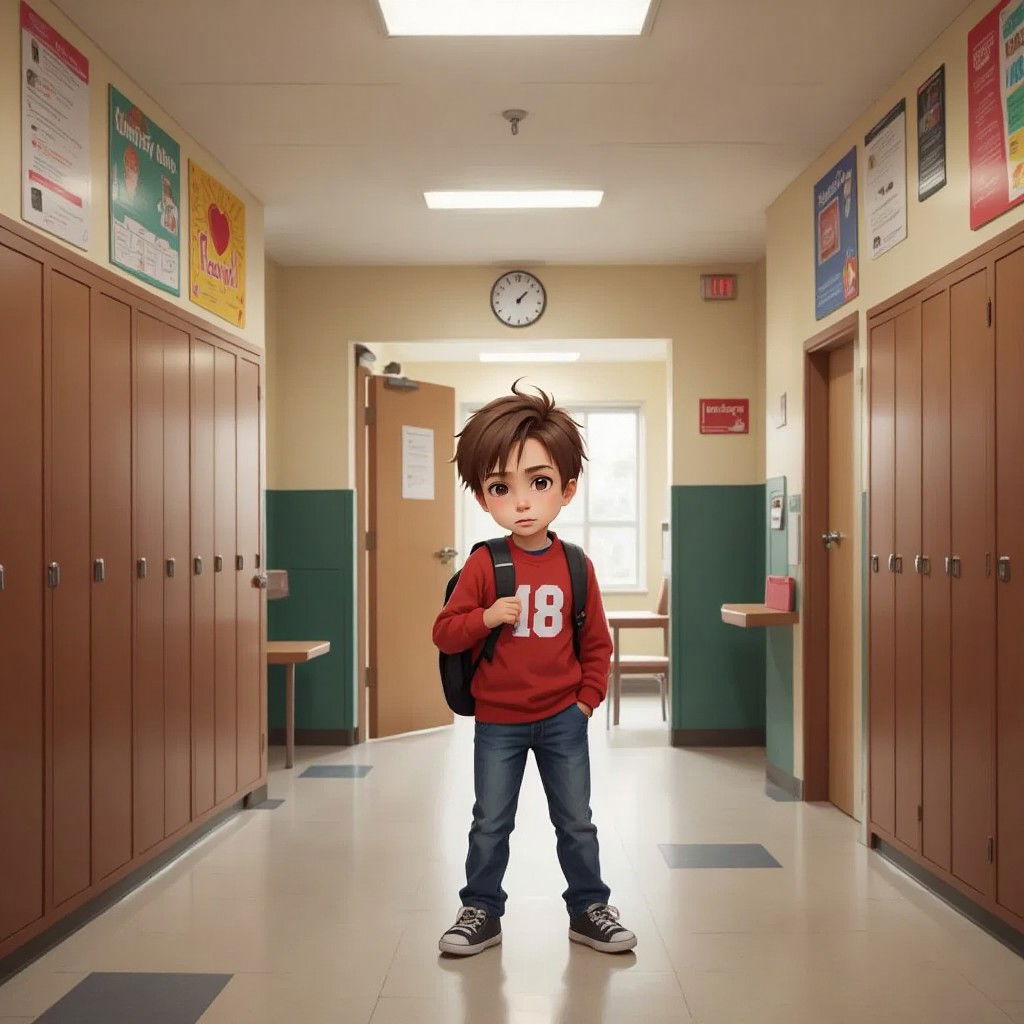
A vibrant illustration showing a boy standing confidently in a sunlit schoolyard, flanked by two friends on either side, with shadows of bullies retreating in the background. The title "Braving Shadows: Overcoming Bullying" should appear prominently in bold, uplifting fonts, with warm, inviting colors that convey hope and resilience.
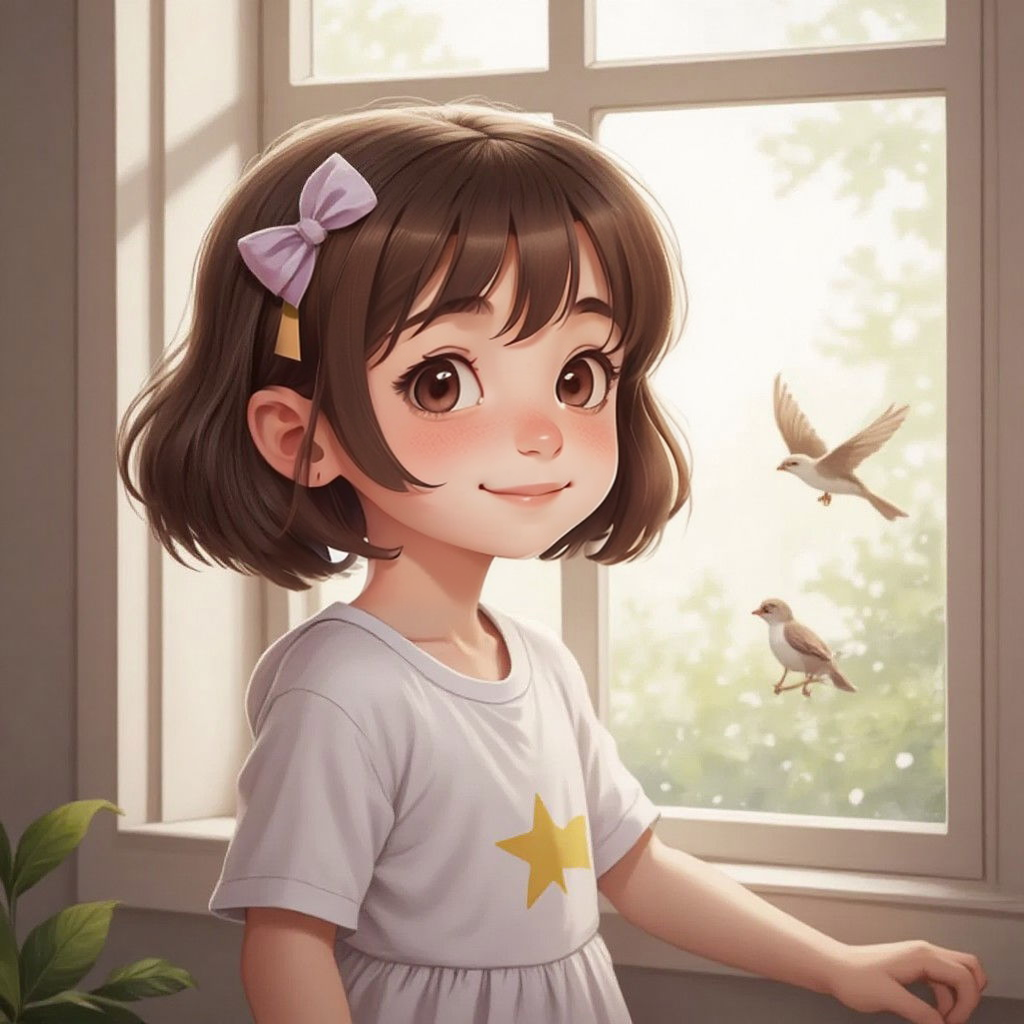
Join Avery and her Nana on a heartwarming journey as they create a vibrant garden together! Through playful digging, planting, and watering, Avery learns all about the basic needs of plants—water, sunlight, air, and soil—while asking curious questions along the way. Nana’s gentle guidance helps Avery discover how taking care of living things can be fun and rewarding. With colorful illustrations and a focus on teamwork, this delightful story encourages young readers to explore nature, listen actively, and grow their curiosity—just like a garden! Perfect for ages 6-8, this book inspires little gardeners to embrace the magic of planting seeds and watching them bloom.

"The Magic of Touch" is a heartwarming story for young children that teaches the difference between good and bad touches. Through the adventures of Lila and her magical bracelet, children learn that good touches make them feel loved and safe, while bad touches make them uncomfortable. With the support of her wise Grandma, Lila gains the confidence to say 'No' to bad touches and always trust trusted adults for help. This story empowers children to understand personal boundaries and promotes open conversations about safety in a fun, approachable way.

Harvey is introduced to new philosopher by Mr. Smith. His name is Friedrich Nietzsche and he was one of the most influential German classical scholar of the 18th century. Mr. Smith told Harvey that Nietzsche was the youngest person as chair of Classical Philology at the University of Basel in Switzerland in 1869, at the age of 24. Harvey was so impressed and amazed. Mr. Smith continues to explain Friedrich Nietzsche's main philosophical concept which is based on two figures in ancient Greek mythology Apollo and Dionysus. Mr. Smith also said that Nietzsche found in classical Athenian tragedy an art form that transcended the pessimism found in the so-called wisdom of Silenus. The Greek spectators, by looking into the abyss of human suffering depicted by characters on stage, passionately and joyously affirmed life, finding it worth living. The main theme in The Birth of Tragedy is that the fusion of Dionysian and Apollonian Kunsttriebe ("artistic impulses") forms dramatic arts or tragedies. He argued that this fusion has not been achieved since the ancient Greek tragedians. Apollo represents harmony, progress, clarity, logic and the principle of individuation, whereas Dionysus represents disorder, intoxication, emotion, ecstasy and unity (hence the omission of the principle of individuation). Nietzsche used these two forces because, for him, the world of mind and order on one side, and passion and chaos on the other, formed principles that were fundamental to the Greek culture: the Apollonian a dreaming state, full of illusions; and Dionysian a state of intoxication, representing the liberations of instinct and dissolution of boundaries. In this mould, a man appears as the satyr. Harvey felt so empowered and understood what Nietzsche meant; life is full of suffering and chaos and hard work and that's where we should find enjoyment and happiness by valuing what is most worth to us.
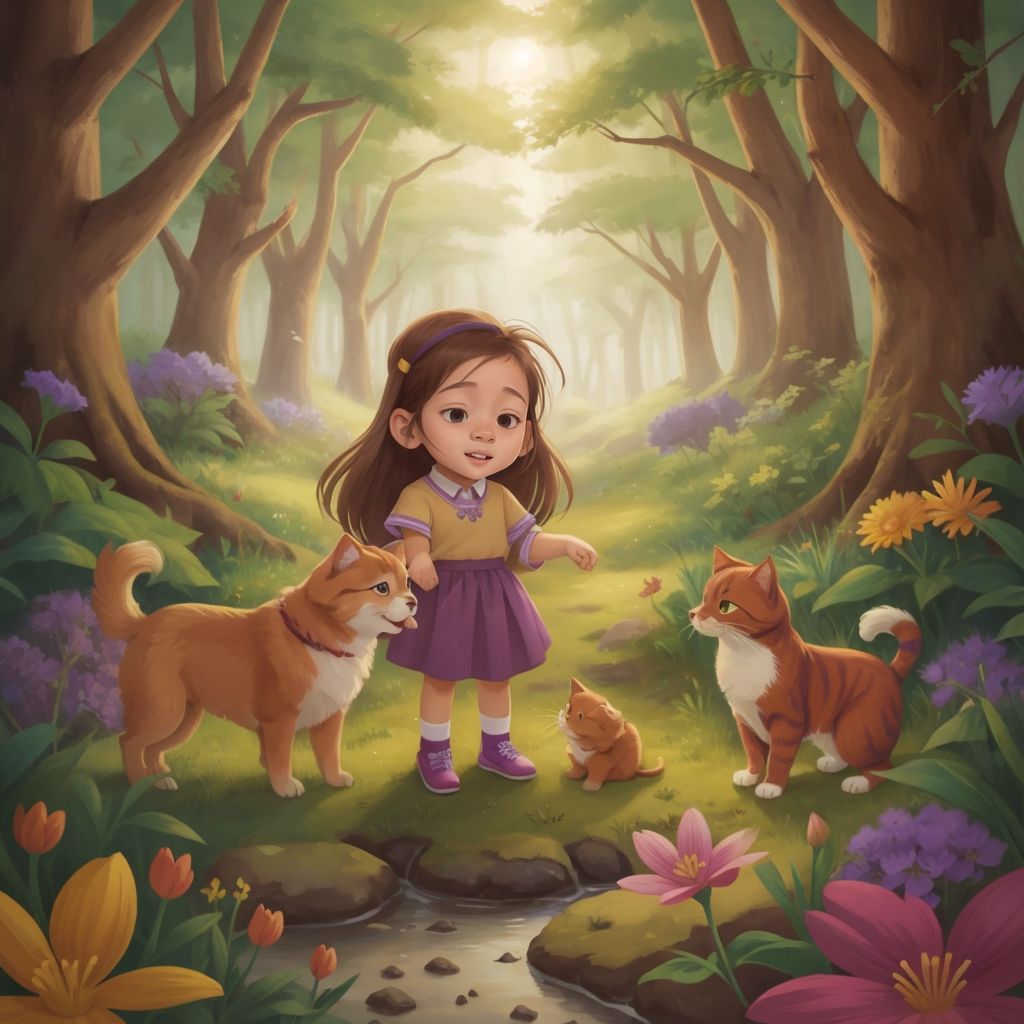
Annabelle has to fury friends. A Golden retriever call twinkle and a purple cat called Coop

1. Brave Hearts: The Tale of Carter and Chance follows two brothers, Carter and Chance, as they navigate life in Atlanta, learning the true meaning of bravery through their close bond and playful energy, with their locs symbolizing their growth and strength. 2. In a fun-filled adventure at Centennial Olympic Park, the brothers face an obstacle course where Chance, inspired by his older brother Carter, overcomes fear and challenges, realizing that bravery is about more than physical strength—it's about kindness and self-belief. 3. As Carter confidently guides his younger brother through each obstacle, Chance's determination to match his brother’s courage shines through, culminating in his triumphant moment of conquering the most difficult challenges of the course. 4. The story teaches valuable lessons of teamwork and resilience, as Chance not only finds his inner strength but also extends a hand of friendship to help another child, embodying his mother’s wisdom that bravery means caring for others too. 5. The brothers' journey leaves a lasting impact on their community, as their shared acts of bravery and kindness inspire those around them, proving that even in the face of daunting challenges, they can achieve anything together.
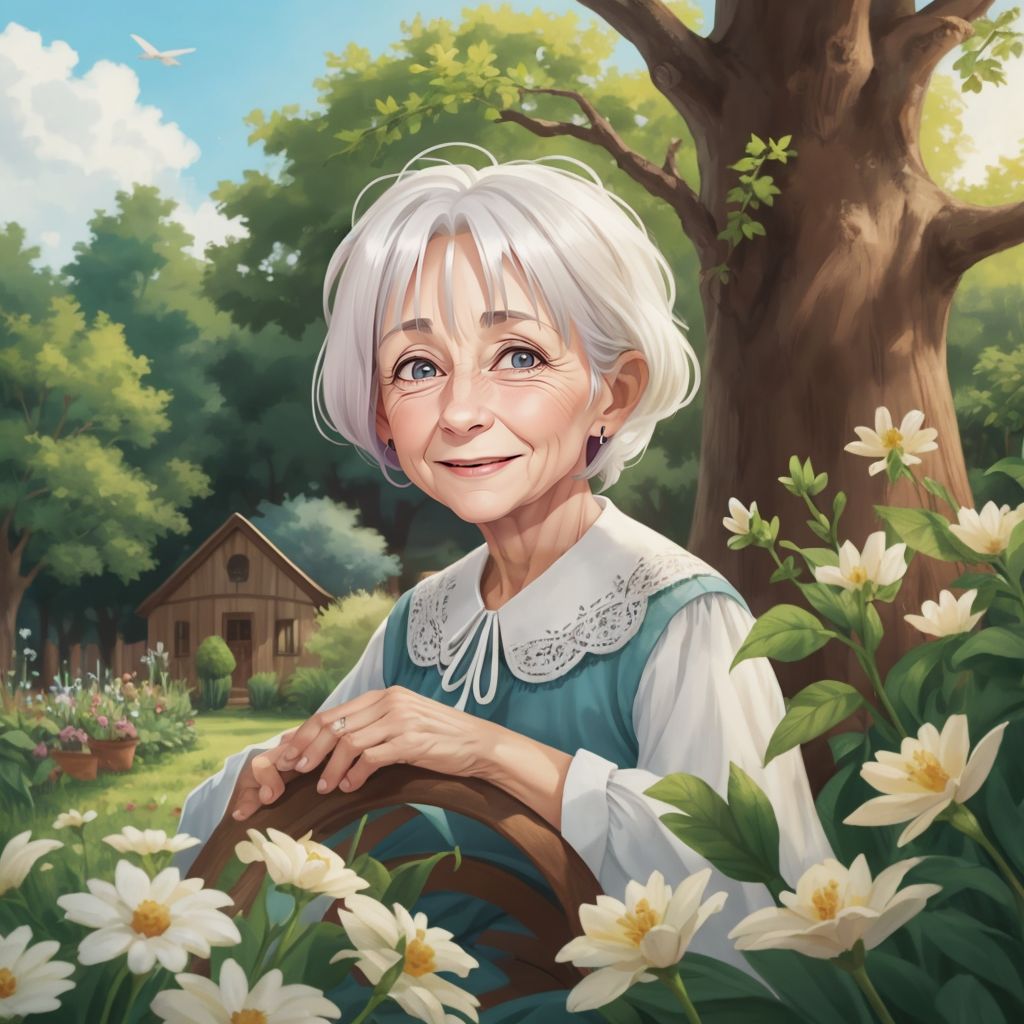
Granny Bubblz and the Baby Ninjas Defeat the Raccoon-Faced Rabbits
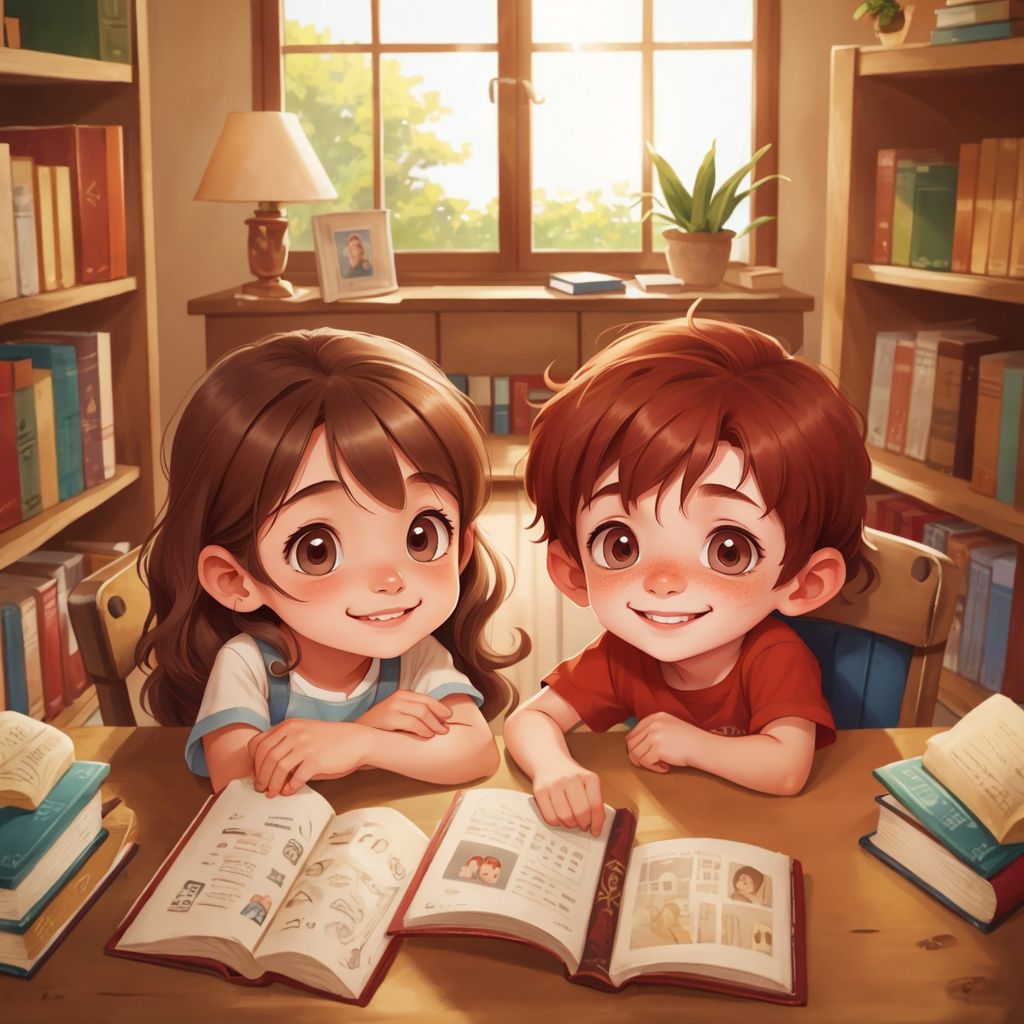
Sophia and Kallen learn about the importance of understanding text features in a nonfiction book. Headings: Titles or subtitles that indicate the topic of a section. Titles: The main title of the document or section that summarizes the content. Bold Print: Text emphasized for importance or to highlight key terms. Italics: Text style used for emphasis, foreign words, or titles of works. Captions: Descriptions or explanations of images, charts, or figures. Diagrams: Visual representations of concepts, processes, or systems. Maps: Geographic visuals showing locations, regions, or pathways. Graphs/Charts: Visual data representations, such as bar charts, pie charts, or line graphs. Photographs: Real images used to visually support or enhance the text. Tables: Grid-based layouts showing data or information in rows and columns. Sidebars: Boxes of additional information or facts placed alongside the main text. Glossary: A list of key terms and their definitions, usually at the end of a text. Index: An alphabetical list of key topics and the pages where they can be found. Table of Contents: An organized listing of the chapters or sections in the text. Labels: Text accompanying diagrams or images to identify parts or explain content. Timeline: A visual representation showing events in chronological order.

Decodable text for children, focusing on long 'a' and long 'o' words
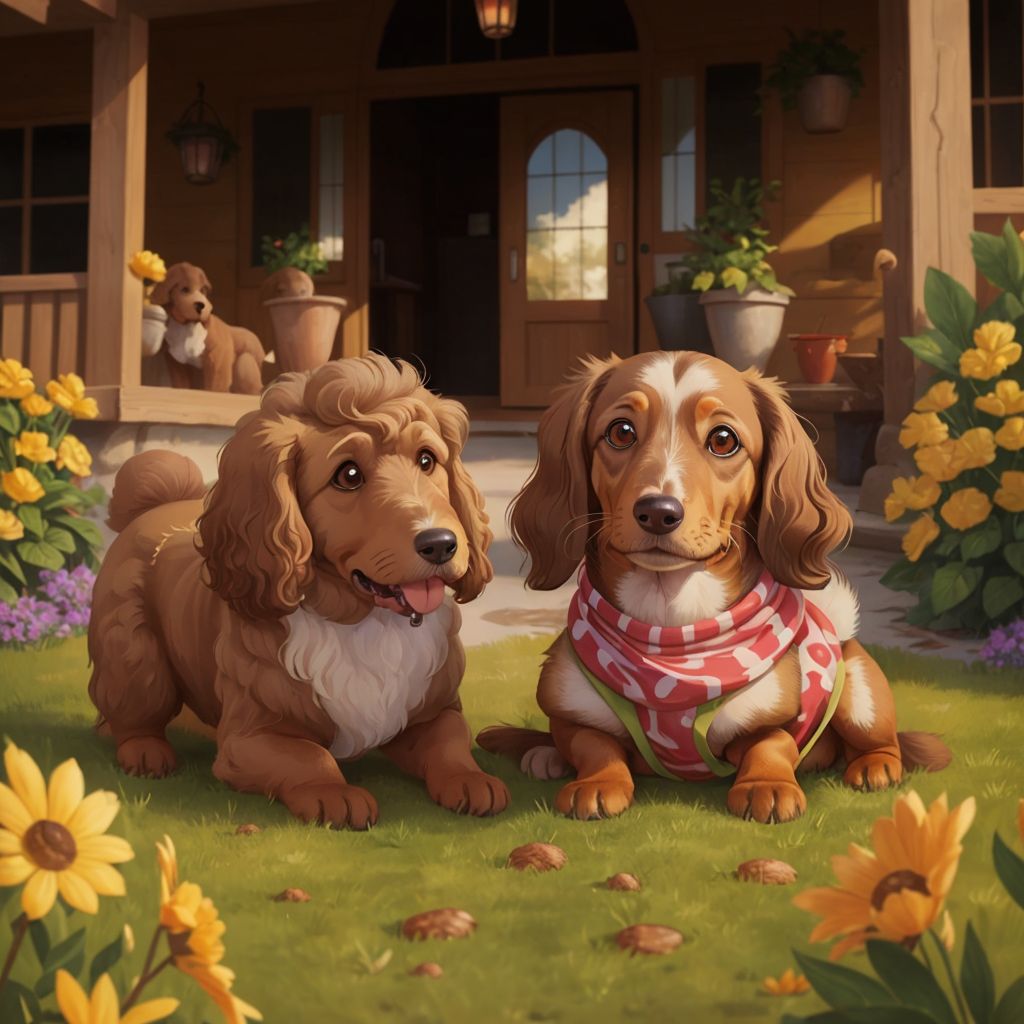
Florence is a tiny dapple dachshund and her Aunt Remi have a play date. Remi is a big brown golden doodle who loves to fetch her ball and dig in the dirt. She also likes to play tag with Florence. They chase each other and try to catch butterflies. After a full day of play they snuggle and nap by the fireplace. They dream of their next adventure.