

Recommend

My friend the puppy holly, explore the jungle

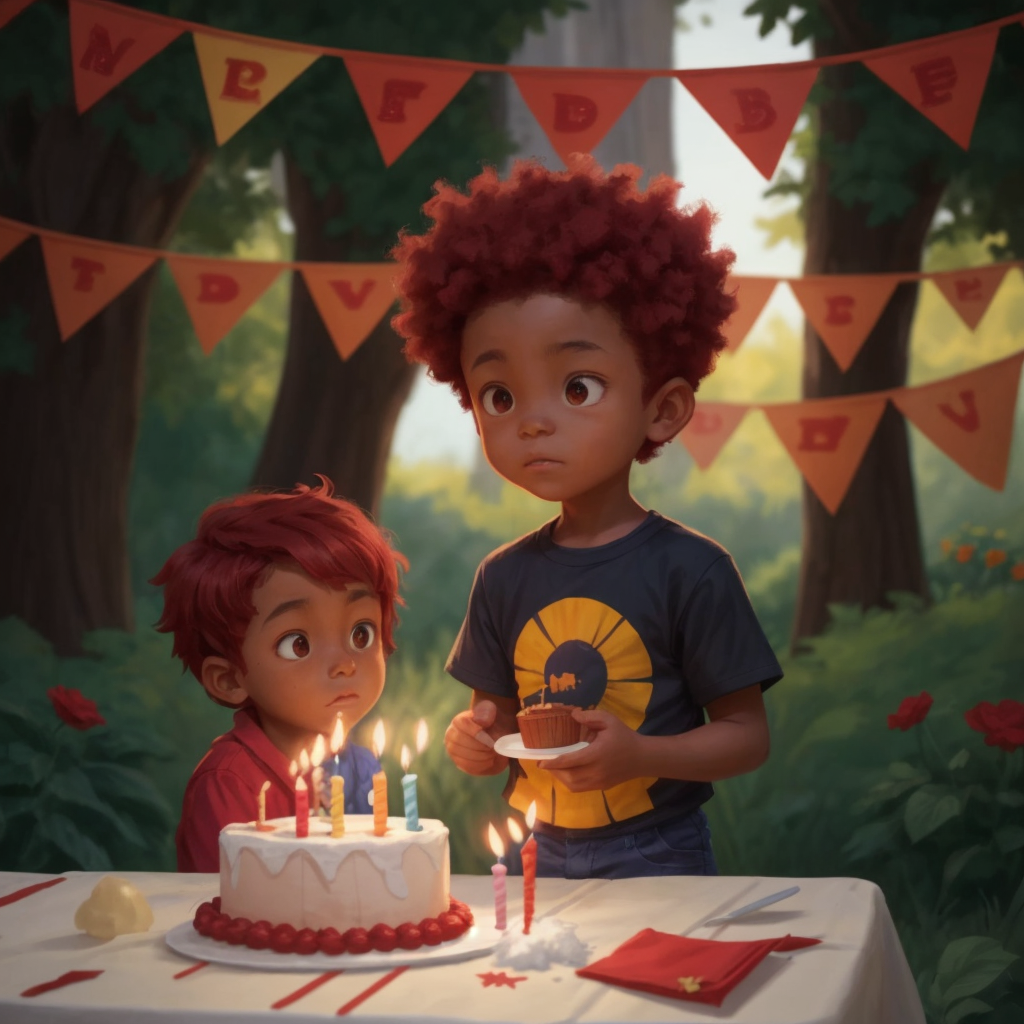
Вот наступил долгожданный день. Нике исполнилось 7 лет. Приехали Бабушка Бэла и Дедушка Гуджи на своей серой большой машине,привезли много подарков. Мама испекла торт. Ждали Папу Лаша. Он прилетел с подарками. Красивое воздушное платье привез Нике. А Лера сделала подарок своими руками. Это была красивая картина красками. Нику школу тоже поздравляли. Теперь у нее много друзей.

GOETHE A1

A boy go to school lonely A boy share food at school

The illustrations for Micah and the Night of Divine Hope should be vibrant and engaging for children aged 3–7 while evoking a sense of wonder and warmth to captivate adults. The story begins with a cold, starry night over rolling hills, where Micah, a small shepherd boy, sits wrapped in a woolen cloak alongside his playful lamb, Rufus, whose funny “baah” moments provide lightheartedness. The vastness of the sky emphasizes Micah’s smallness, with a hint of the brighter star to come. As the golden star appears and casts a shimmering path of light across the hills, Micah and Rufus are shown trekking through various landscapes, such as rocky paths and grassy hills, bathed in the star’s glow. The star leads them to a warm and humble stable, illustrated with soft lighting and intimate details. Inside, the baby Jesus glows gently in the manger, surrounded by Mary and Joseph’s awe-filled expressions. Micah kneels hesitantly, offering Rufus, whose curious and comforting presence throughout the journey makes his gift all the more meaningful. The angelic proclamation bursts forth in a double-page spread, with the heavens illuminated by radiant angels singing joyfully, their presence overwhelming and glorious. The final scene captures the tranquility of a sunrise as Micah walks back to his flock, transformed by hope and peace, while Rufus remains curled contentedly at the manger, completing his role as a gift for Jesus. The illustrations should balance humor, warmth, and wonder, ensuring they resonate with both the story’s emotional depth and its lighthearted moments.

Optimus Crime spreads a gas that puts everyone into a deep sleep (including the superheroes). Then he kidnaps all the world leaders and puts them in a secret dungeon. Optimus Crime then pretends to be the world leaders, effectively taking over the world. BUT not for long. Russia’s night gets so cold it wakes up Skyro. Skyro then rushes to Bolero’s house and tells him to go wake up Moro. The Superheroes cannot find Optimus Crime because he had shapeshifted into King Sultan. The Superheroes were confused where to begin. Moro goes to see his good friend King Sultan. King Sultan tricks Moro into the dungeon. In the dungeon Moro sees all the other world leaders. He realises he needs to get help. Moro uses an electrical wire on the wall to text Skyro for help and to tell her about King Sultan. Skyro and Bolero think that Moro is joking around, because Moro likes to tell jokes. Skyro and Bolero decide to go and see King Sultan too. They have a secret question to check for fake people. They ask King SUltan the question. Optimus Crime gives the wrong answer. His cover has been blown. Optimus Crime reveals his true form and an intense battle begins. The warriors manage to apprehend Optimus Crime. The Superheroes find out why Optimus Crime was planning evil. He just wanted to be a part of the Warriors but they had laughed at him and told him to go away. The Superheroes apologized to Optimus Crime and allowed him to join the warriors. He changed his name to Optimus Prime and they lived happily ever after.

In a vibrant 3D cartoon jungle, Timo the tiger, Mika the monkey, and Lulu the bird enjoy their beautiful home until they discover trash polluting their surroundings. Saddened by the mess, they decide to take action—cleaning up and spreading awareness with handmade signs that say, "Jangan Buang Sampah!" Humans notice their efforts and, feeling guilty, join in to restore the jungle. With teamwork, the forest becomes clean and lively again, teaching everyone the importance of caring for nature.

A boy is rescued by his loyal dogs

1. Yujin, the idol singer, transfers to Sophia's school, and Sophia introduces herself during lunch. 2. Sophia and Yujin visit a café where they practice English phrases together. 3. Yujin and Sophia prepare for a choir competition together, practicing singing and ordering drinks. 4.Yujin and Sophia win the choir competition, celebrate at the café, and reflect on their growing friendship.

Children share the way they celebrate their holidays from different cultures across the world.

A wise leader once walked through a village where a skilled blacksmith, Elias, had forged the town’s strongest tools for years. One day, Elias’s hands grew weaker due to an illness, making it difficult to wield his hammer. The villagers, worried about losing their best blacksmith, debated what to do. Some suggested replacing him, while others ignored the problem, hoping it would fix itself. But the village leader saw a third path. The leader spoke with Elias, understanding his needs. With small changes—modifying his tools, adjusting his workspace, and giving him needed support—Elias continued to craft with precision, his wisdom and experience still invaluable to the village. The leader had not just helped one man; they had strengthened the entire community by ensuring everyone had what they needed to thrive. Leadership is not about removing those who struggle but about ensuring each worker has the tools to contribute. When employees need medical accommodations, leadership is the bridge between challenge and success. Build the bridge, and the work continues.

Quintus is an 11 year old from Hong Kong. He loves playing lego, Roblox and watching youtube all the time. He is very intelligent and he gets great Marks at school

Once upon a time there lived a cheerful girl named Zlata. She always smiled, helped everyone around her and was the best baker in the village. One day she baked a whole basket of fragrant buns and decided to go to her grandmother in the neighboring village. On the way, Zlata met a monkey and treated him to a bun, and the Monkey gave Zlata a banana. Then Zlata met a chicken and treated her to a bun, and the chicken gave her a golden egg. Then Zlata went to the river and treated Beaver to a bun, and Beaver helped Zlata move to the other side to the village where her grandmother lived. They met happily and sat down to drink tea and buns.

1.Lera was a cheerful and lively little girl who had just turned four years old. Her mother, Julia, always tried to teach Lera something new. One fine day, Julia noticed that Lera's room was filled with toys scattered all over the floor. Julia decided it was time to teach Lera how to clean up, but to do it in a way that would turn tidying up into an exciting adventure. "Lera," called Julia, "how about we play a game of real helpers?" "What will we do, Mommy?" Lera asked with curiosity. "We'll help each other clean up our house," Julia smiled. "I'll show you how, and soon you'll become the real mistress of your room." Lera's eyes sparkled at the idea of becoming the little mistress of her room. Julia began with something simple—showing her how to place toys on the shelves. --- Lera, captivated by the game, didn't even notice how many toys were piling up around her. But Julia, knowing the importance of teaching a child to keep things tidy from a young age, decided to seize the moment to show Lera how to take care of her belongings. "Lera, look at all the toys you have here!" said Julia with a smile. "Let’s play a fun game. We will be little helpers who help all the toys find their place." Lera looked at her mom with interest. "How do we do that?" she asked. "It’s very simple," explained Julia. "Every time you finish playing with a toy, we'll help it return to its 'home'—either on a shelf or in a box. You can imagine that the toys are your friends, and they also need to rest after playing." Lera thought for a moment, then burst into a joyful laugh. "Let's do it, Mommy!" she said, running over to the first teddy bear lying on the floor. Julia and Lera began carefully picking up the toys. Julia showed Lera where to put each item, and the little girl happily helped. They turned the cleaning into a fun game, inventing stories about how the toys thanked Lera for helping them return home. When the whole room was tidy, Lera proudly looked around at her work

The story is about how little kids are always dismissed about having a smart idea because they're just kids or if there's ever someone in trouble or danger there's always this need to have an adult, usually a male, come in and save the day. Well, in this story, a dolphin is choking on a beach ball in the ocean near the beach and the lifeguards try and pull the ball out of his mouth, and the firefighters get called in and they try and do something to help get it out and still nothing and everyone is starting to run out of ideas and that's when this 5 year old boy named Landon steps up and says something like "maybe I can help" and so using his smaller toddler sized hands, is able to reach in just right and wiggle the ball free and save the day.

Emilia is a princess and the youngest of 7 sisters. One day, a dragon appears in the furthest corner of the kingdom and starts scaring the people. Emilia sets out with her pony Moritz to defeat the dragon. She defeats the dragon, by winning a battle of wits and afterwards becomes good friends with the dragons and lives with him in the castle.

Animals lived in peace and friendship in the The Forest of Justice. One day, arguments and unrest broke out in the forest. An argument erupted between Rabbit Tobi, Bear Bozo, and Owl Belgin. Tobi claimed that Bozo stole his carrots. Bozo said that Belgin was not impartial in providing justice. Little squirrel Sibel, the bravest and fairest hero of the forest, stepped in. Sibel stood among her friends and shouted, "Stop!" "We must all work together and understand what justice is," she said. Sibel took her friends to the Tree of Justice. The Tree of Justice explained, "Justice means treating everyone equally and honestly." Sibel turned to Tobi and Bozo and asked, "Tobi, how do you know that Bozo stole your carrots?" Tobi said his carrots were lost and no one else was big enough to carry them. Bozo stated he did not need carrots and only ate honey. Sibel suggested, "Let's all go to the place where the carrots disappeared and follow the traces." They walked deep into the forest and found small footprints. The tracks led to the mouse family's home. The mouse family was very scared when they saw Sibel and her friends. "It's not our fault; we were just trying to find food for our children," they said. Sibel approached the mouse family with understanding. The mouse family explained they did not know the carrots belonged to Tobi and wanted to find food for their children. With Sibel's guidance, Tobi realized that justice requires understanding the situation of others. Bozo added, "Justice is necessary for everyone to live happily and peacefully." Working Together and Restoring Peace Sibel offered to help the mouse family. They decided to meet everyone's needs by working together. All the animals in the forest decided to help each other and live in justice. Peace in the forest was restored. Sibel and her friends understood the importance of justice. Everyone continued to live peacefully in the Forest of Justice.

Wisler loves playing basketball

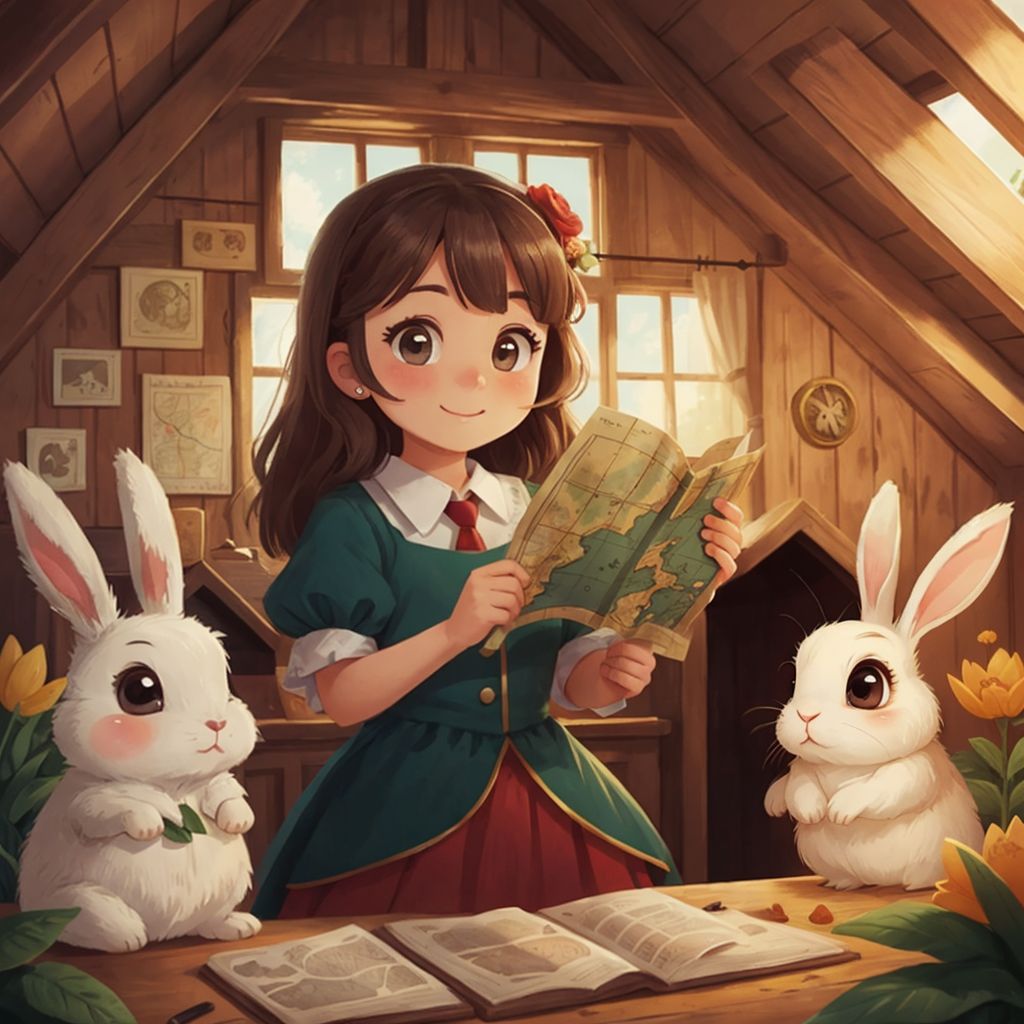
In "A Tale of Two Twins," a father narrates the delightful adventures of his twins in a whimsical Dr. Seuss-style story. The twins, full of energy and curiosity, embark on a magical journey after discovering a treasure map. With their father by their side, they venture into a land of sweets and wonders, encountering chocolate rivers, caramel fountains, and cotton candy clouds. Through their imaginative escapades, the twins learn valuable lessons about love, friendship, and the joy of shared experiences. The story celebrates the unique bond between twins and the joyous spirit of childhood exploration.

In the small village of St. Osyth in 1582, seven-year-old Febey Hunt’s world was upended when whispers of witchcraft turned her peaceful home into a place of fear. Her stepmother, Ursula Kempe, a midwife and healer, was accused of casting malevolent spells. To Febey, Ursula’s remedies were acts of care—her poultices and potions often soothed fevers and aches. Yet, neighbors claimed she used those same skills to harm. Febey saw her stepmother dragged to trial, where neighbors gave chilling testimonies. They spoke of Ursula’s supposed curses causing illness and death. The young girl struggled to reconcile these tales with the warm, hardworking woman she knew. To Febey, the accusations seemed like a nightmare conjured by adults' mistrust and superstition. When Ursula was condemned, Febey felt the weight of the village’s judgment—not just on her stepmother, but on her own family. Rumors spread like wildfire, tainting everyone connected to Ursula. Febey watched as fear fueled division and heartache. The witch trials forever changed the young girl, planting questions about justice and truth. For Febey, it was a harsh lesson in how fear and suspicion could overshadow kindness, leaving her with a story she would never forget.