
 Start Read
 Recommend
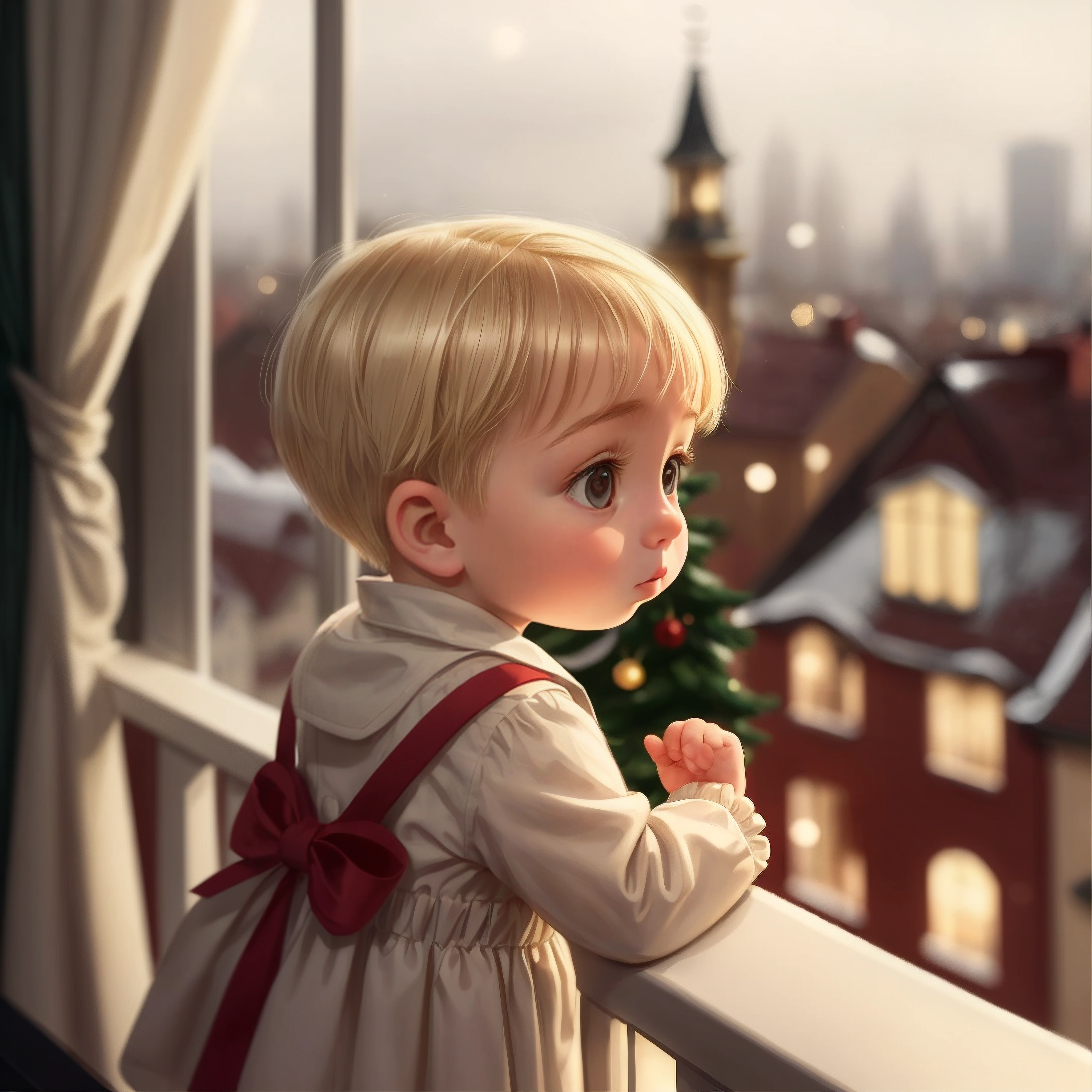
In the enchanting city of Oliveland, a pervasive greyness cast a shadow over the festive spirit. Gaia, a spirited little girl, and her wise grandmother couldn't bear the dullness that had replaced the vibrant colors. Determined to save Christmas, they embarked on a quest accompanied by Kara, a giant black dog with a kind heart. Guided by her grandmother's wisdom and Kara's gentle presence, Gaia led the trio through the desaturated streets. They discovered a mischievous creature at the city's heart, feeding on the stolen joy. Undeterred, Gaia confronted it, challenging it to undo the spell it had cast. The creature, surprised by Gaia's courage, reluctantly reversed its magic. Color flooded back into Oliveland, and the spirit of Christmas rekindled. The people, grateful for the trio's bravery, surrounded them with love. Oliveland remained a beacon of joy, and Gaia, her wise grandmother, and Kara stood as the heroes who had brought back the magic of Christmas.

Rainbow Cat takes a walk outside and observes different types of weather. From sunny days to rainy ones, children learn about weather patterns and seasons through Rainbow Cat's adventures.
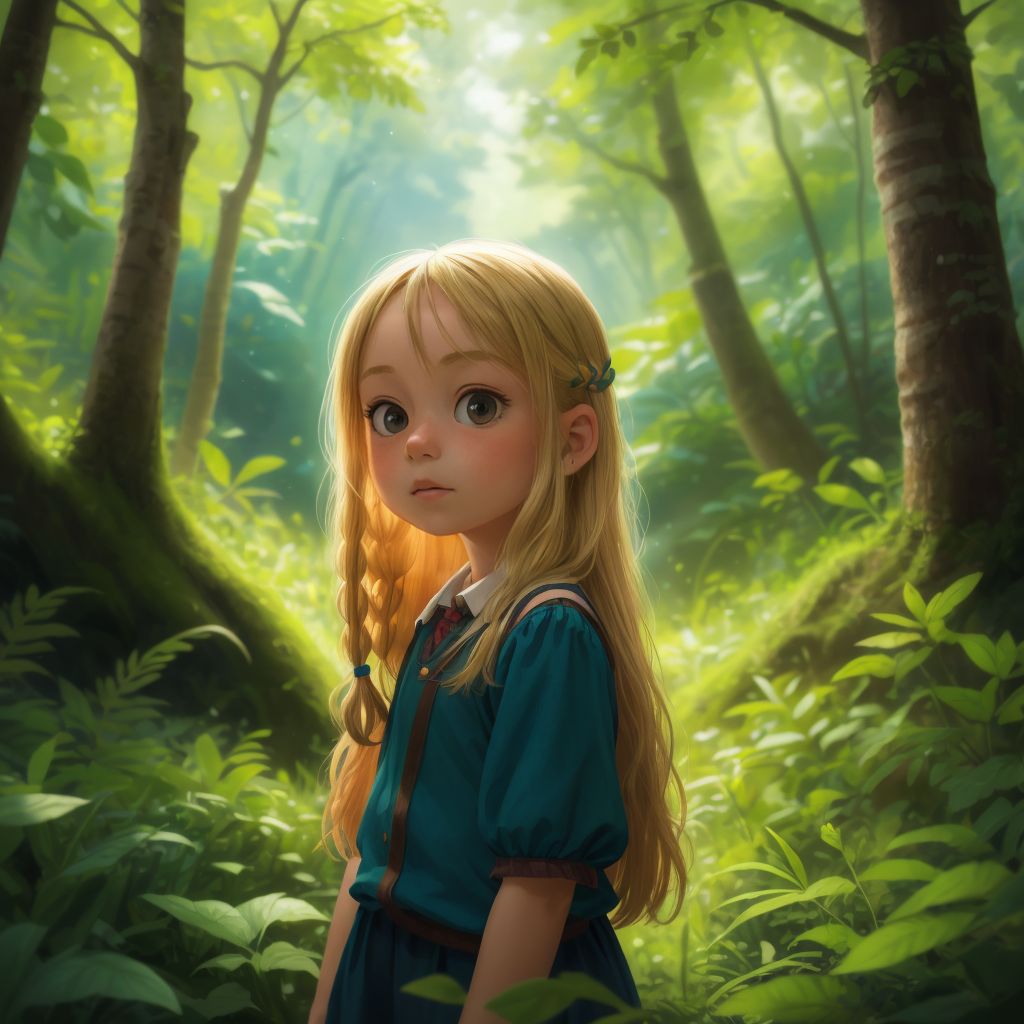
Introducing the main character, Starbeam, a girl from another planet who has come to Earth with her parents and crew. The ship breaks down during the landing, causing the crew members to be scattered to different places on Earth. In her search for her crew members, Star Ray has to face various dangers and challenges. She discovers amazing places and meets a variety of characters: magical forests, mysterious mountains, friendly villages and mysterious caves.

1.TylaÏ was sleeping soundly. 2. She was crying because she had such a stomach ache. 3. She calls the fireman. 4. He calls the doctor.
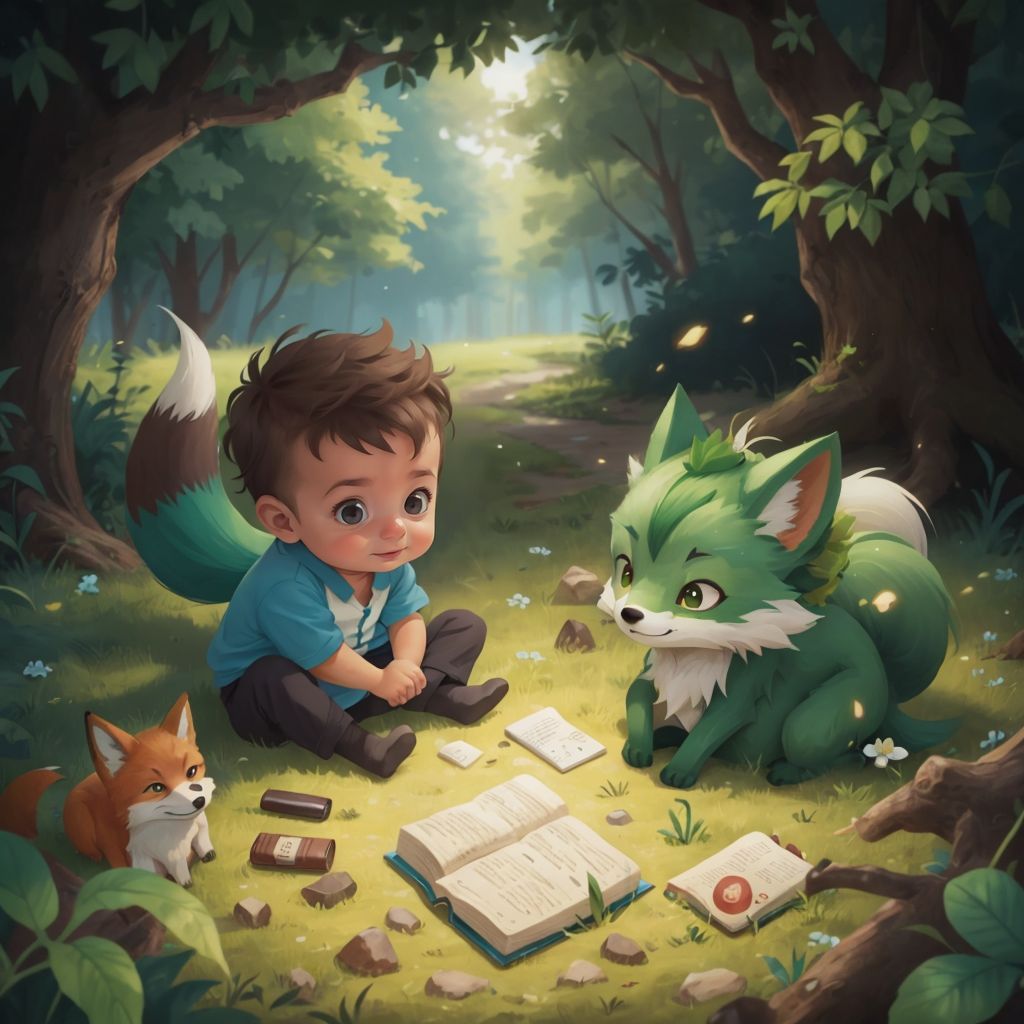
1. John Jr and Jade was studying the Bible verse Philippians 2.3-8: “Do nothing from selfish ambition or conceit but in humility count others more significant than yourselves." John Jr and Jade decided to look at Jesus teachings on humility. Jesus said to "clothe yourselves with compassion, kindness, humility, gentleness, and patience" John Jr explained humilityto Jade as the ability to consider others before oneself, and it can be defined for kids as being confident without being arrogant, and respecting others while maintaining self-respect. 2. John Jr and Jade thought about Jesus greatest act of humility. Jesus Accepted his fate of being crucified, even though it was the most humiliating and painful way to die. John Jr and Jade thought of ways they could show humility. John Jr and Jade decided they would consider others first, listen to the ideas and perspectives of other people, apologize and give thanks. 2. John Jr and Jade learns that Jesus exemplifies humility, teaching that "whoever exalts himself will be humbled, and whoever humbles himself will be exalted" John Jr and Jade understands that humbling themselves before God will allow God to lift them up. John Jr and Jade knows that God frowns at the proud people and favors the humble. They tried to think of ways to be more humble. John Jr and Jade was going to try to Be aware of their shortcomings, strengths, and limitations, Recognize and acknowledge the strengths of others, Be open to learning and adapting from others, .Work towards putting others' needs before their own and Be a good listener and ensure others feel heard and understood around them.
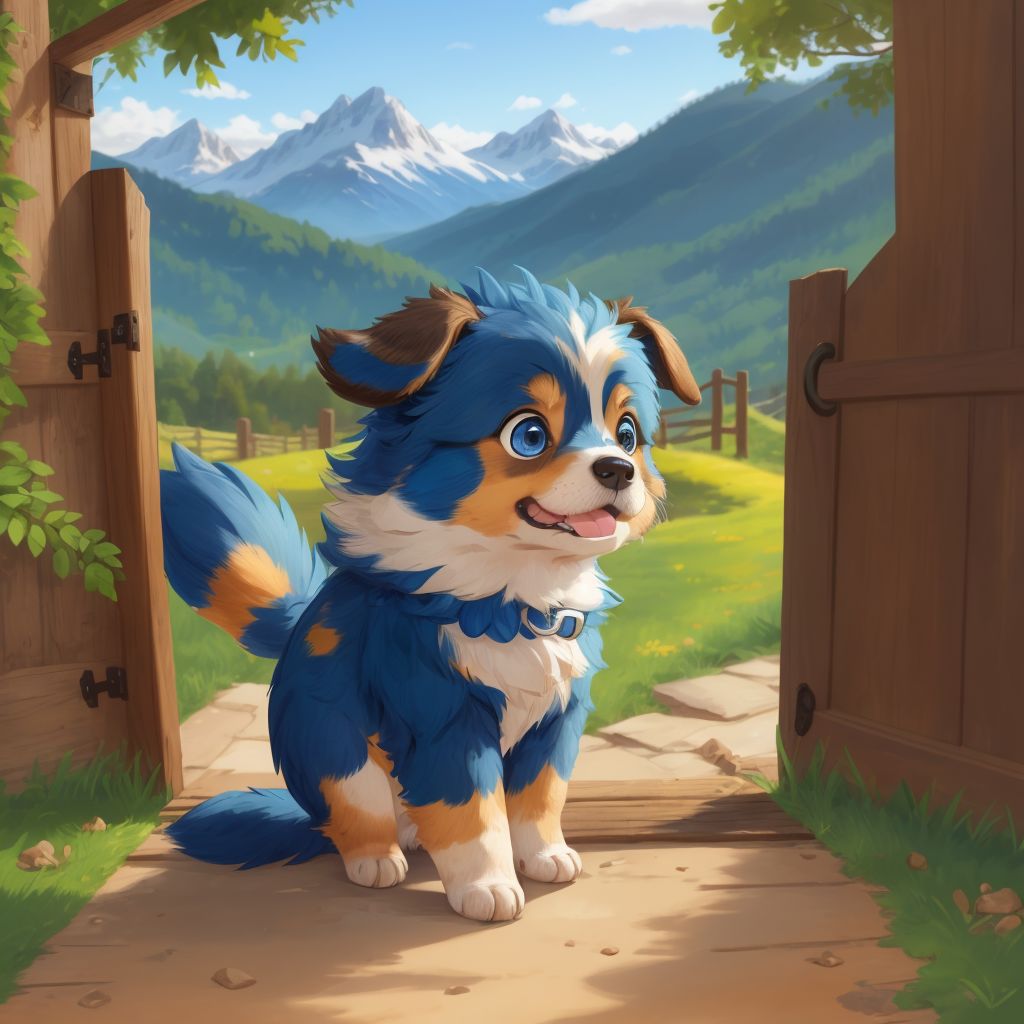
A dog wanders away from home, and adventures around the mountains where they meet and snow leopard cub who helps it find its way home afterward
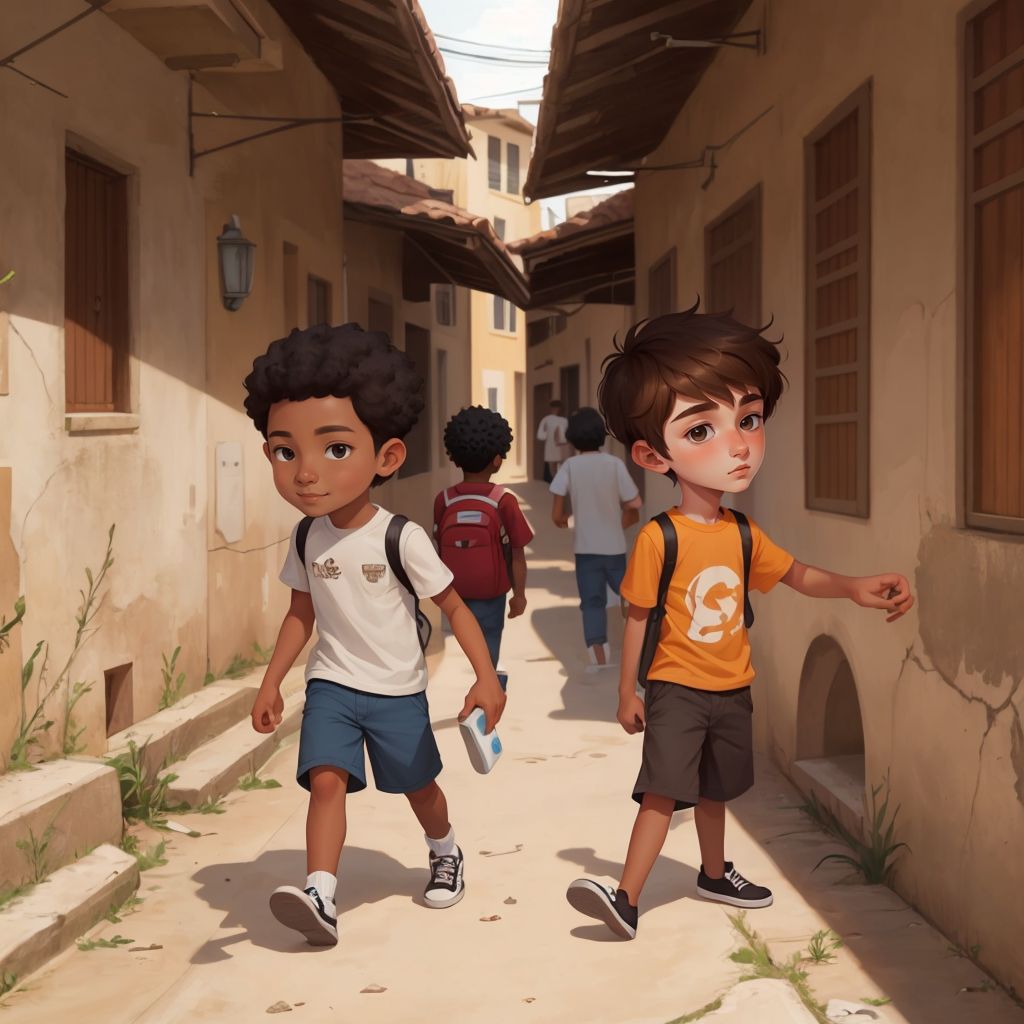
High school is a whirlwind of quizzes, friendships, and first crushes. For Uzeke, it begins with a single glance at Unity—the radiant new girl with blonde hair and blue eyes who captures his heart in an instant. As Uzeke grows closer to Unity, sharing late-night conversations under the stars and moments that feel magical, his heart is shattered when she confesses her feelings—for his best friend, Unique. Struggling to balance friendship and unspoken love, Uzeke is thrust into an emotional storm of jealousy, heartbreak, and self-discovery. Can Uzeke find a way to move on while preserving the friendships that mean the most to him? Or will unrequited love leave him stranded in the shadows of what might have been? Told with raw emotion and a tender exploration of young love, Unrequited Love is a poignant story about the beauty and pain of falling for someone who will never be yours. Perfect for readers who enjoy heartfelt coming-of-age tales with bittersweet endings.
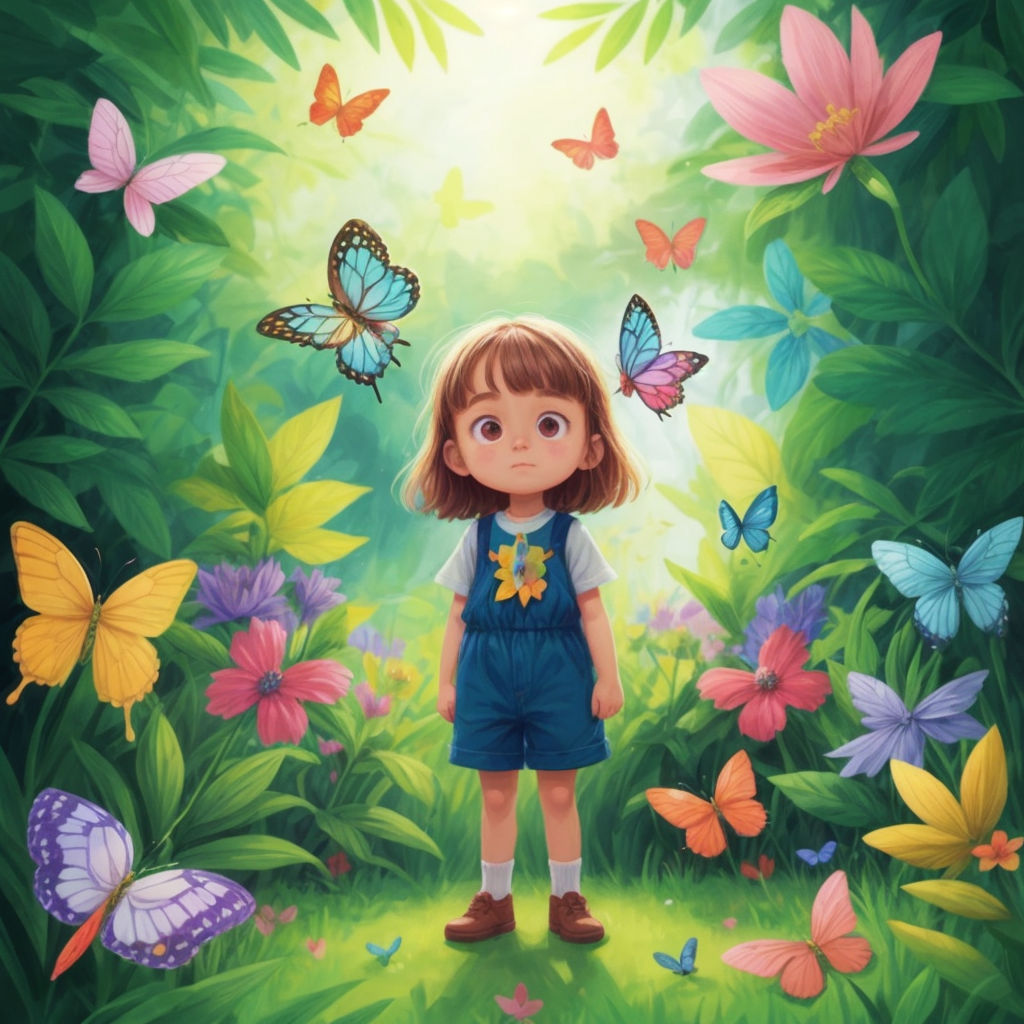
Andrea is new to the neighborhood lost her family and is an orphan, she finds a garden full of secrets and adventures. and found a new friend and family
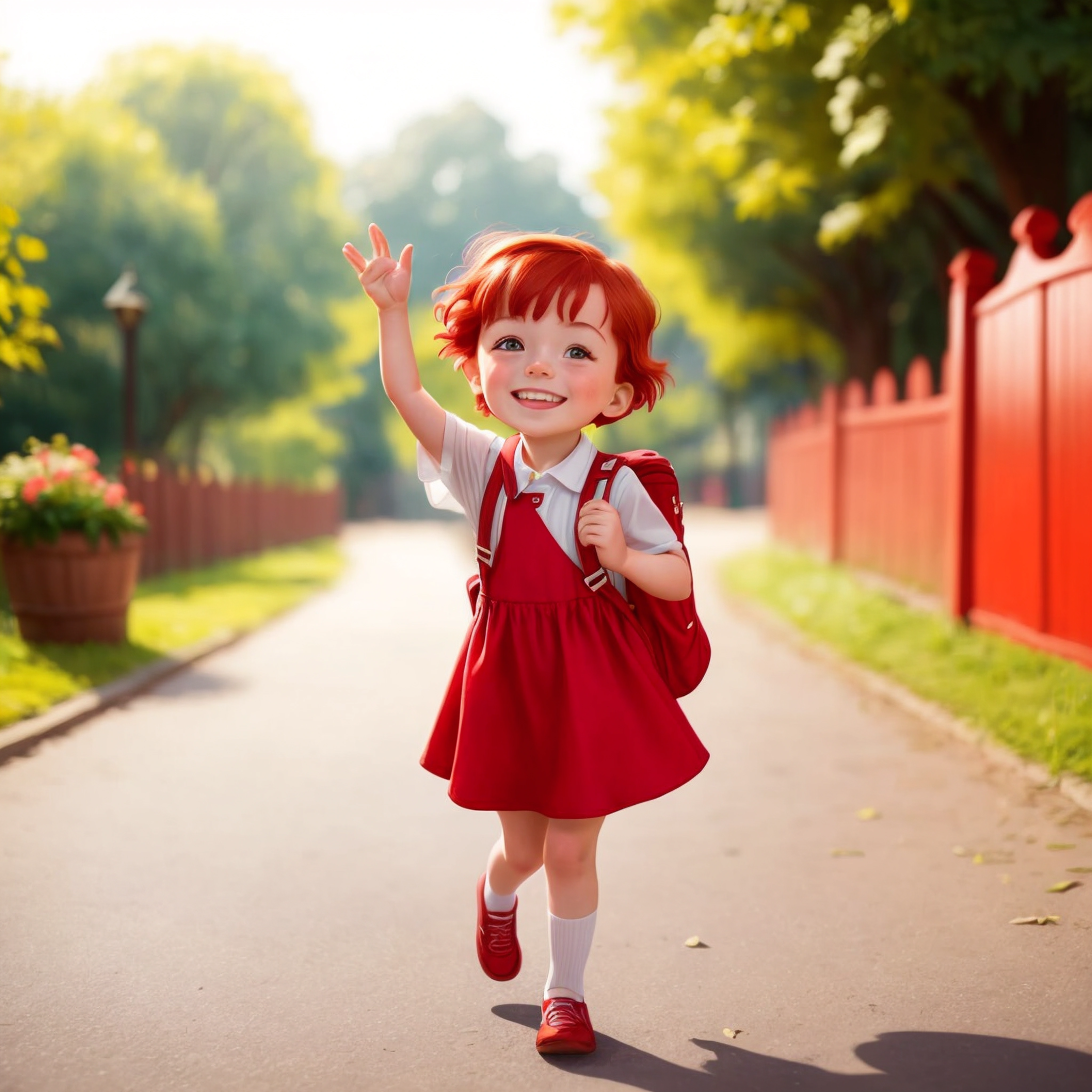
1little marla with curly hair first day at school 2.Marla meets her first girlfriend and loves her very much 3.They find a cat in the schoolyard

Murendwa, a Diana and Roma superfan, gets the surprise of her life when her YouTube heroes land in her garden! Join them for a day of pirate adventures, beach fun, and a mystery craft bonanza! A celebration of imagination, friendship, and dreams coming true.
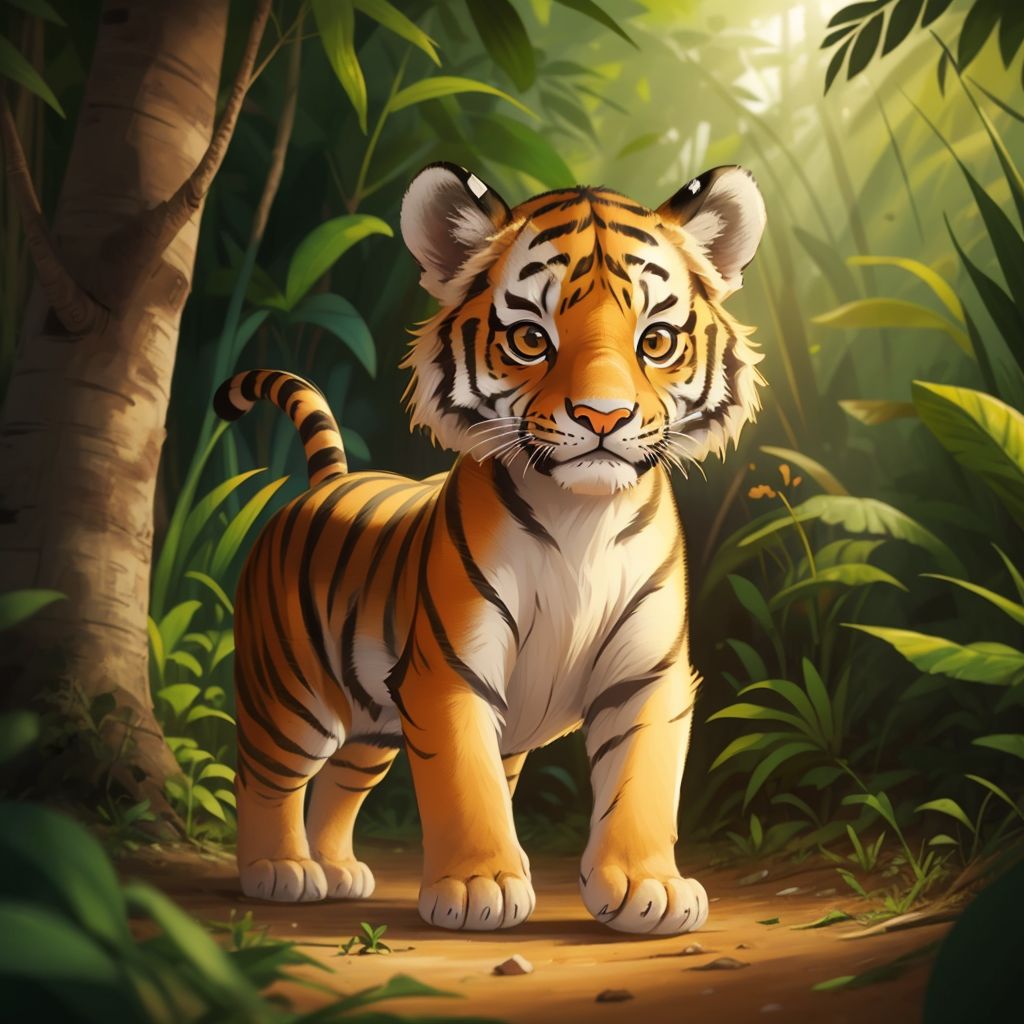
Join Timur, a curious and playful tiger cub, on his thrilling adventures in the lush jungles. After being swept away by a storm, Timur finds himself far from home and embarks on a journey to find his way back. Along the way, he befriends Leo the rabbit, Finn the fox cub, and the wise owl Oliver. Together, they overcome challenges, learn the true meaning of friendship, and discover the wonders of the jungle. This heartwarming tale of courage, friendship, and unity is perfect for children and families to enjoy together.
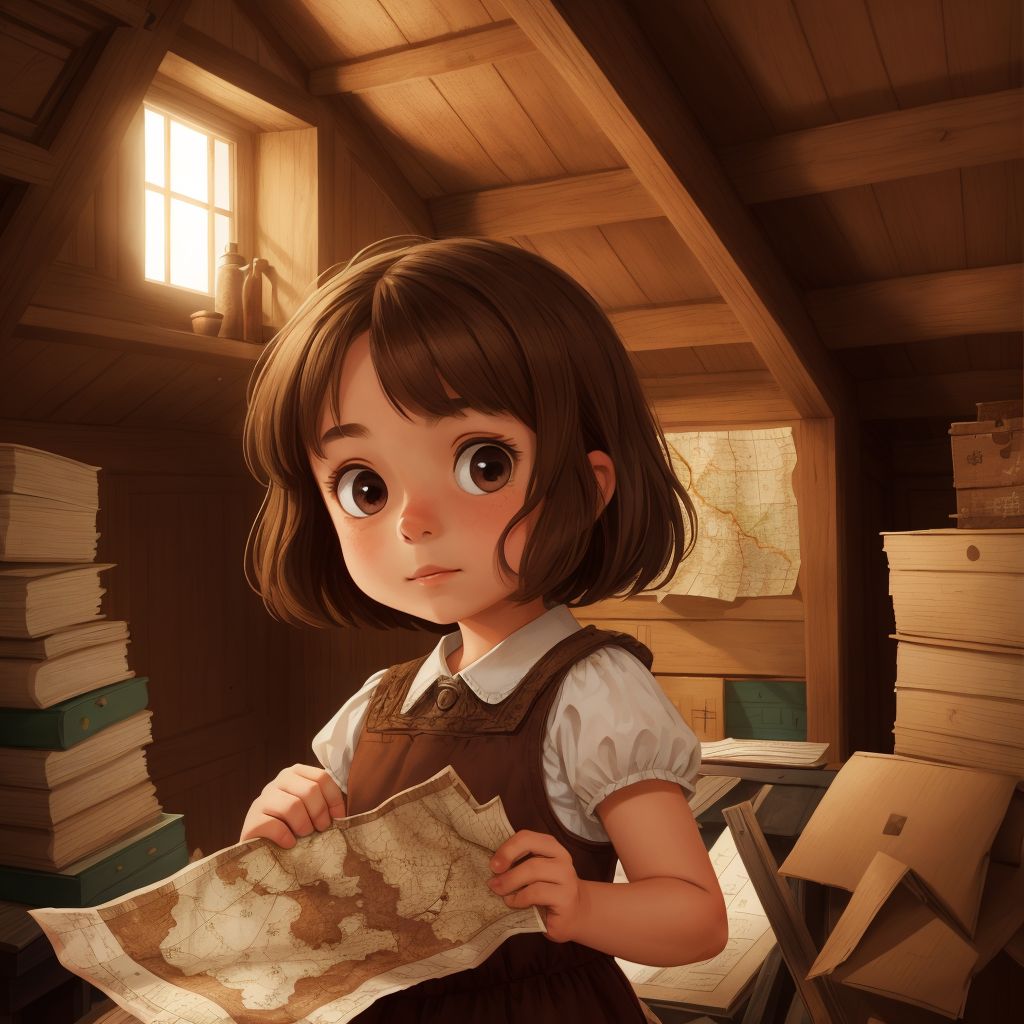
Celebrate the spirit of adventure and the joy of discovery with 'The Little Dreamer with Big Dreams.' Join Lily, a curious and imaginative girl, as she embarks on a journey of exploration beyond her cozy little town. From lush forests to towering mountains, from babbling brooks to starlit skies, Lily discovers the wonders of the world around her and the magic of friendship along the way. Through vibrant illustrations and heartwarming storytelling, this charming children's book inspires young readers to dream big and embrace the endless possibilities that await them.

1. A girl is having birthday party 2. All her friends are invited 3. Everyone wished her Happy Birthday 4. They all played and had lots of fun 5. They all ate cake and said their goodbyes 6. Girl was very happy to celebrate her birthday with her friends
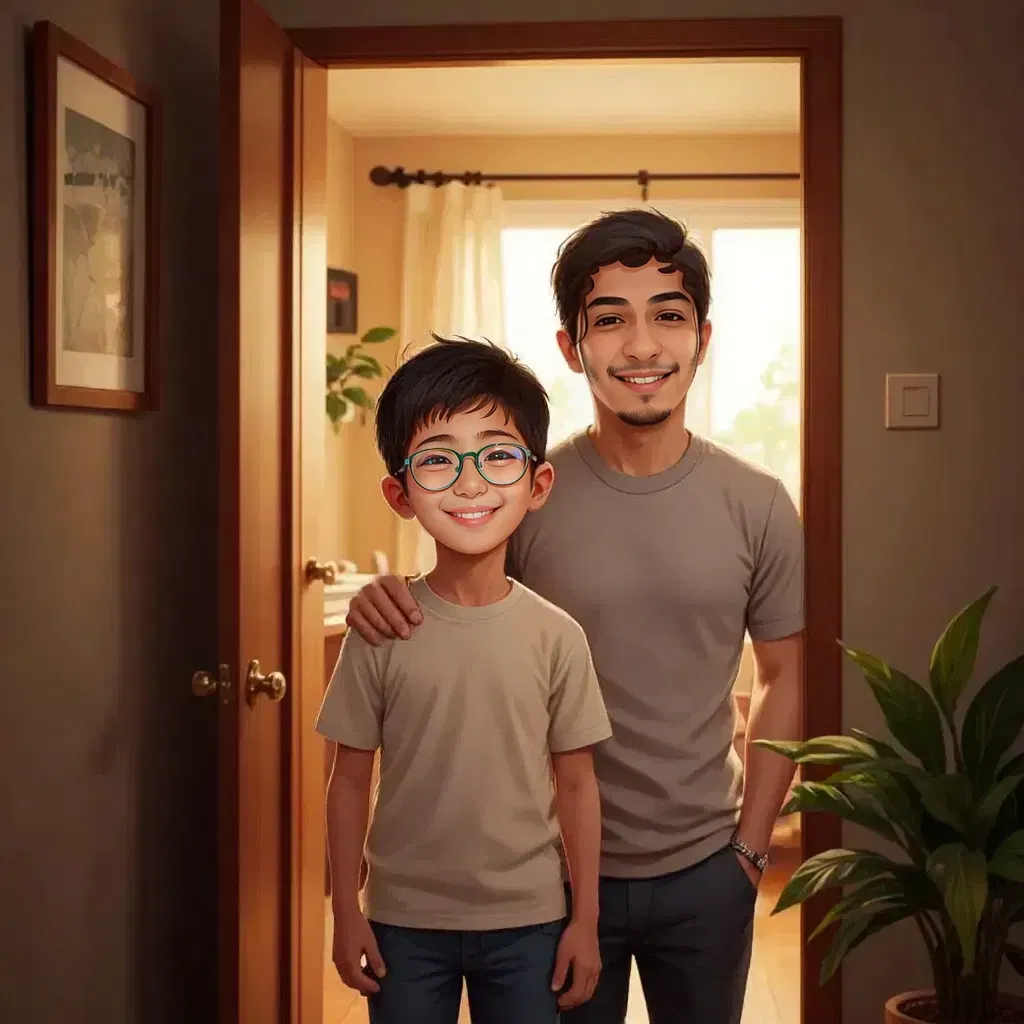
baraa spend time with dad baraa prays like muslim with dad baraa plays with dad
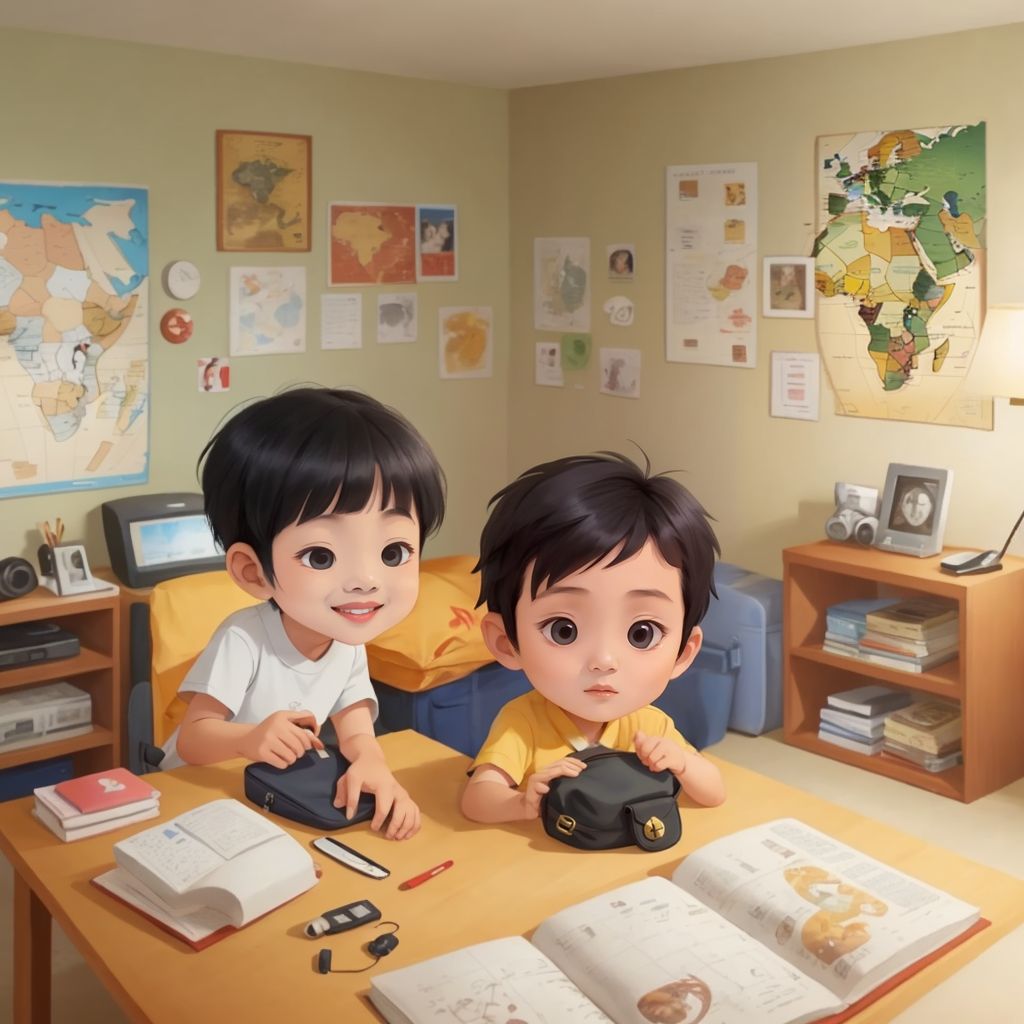
Celes and Charlie visit Africa. Celes and Charlie are from hong kong. They see elephants, dolophins, Eagles, Giraffe
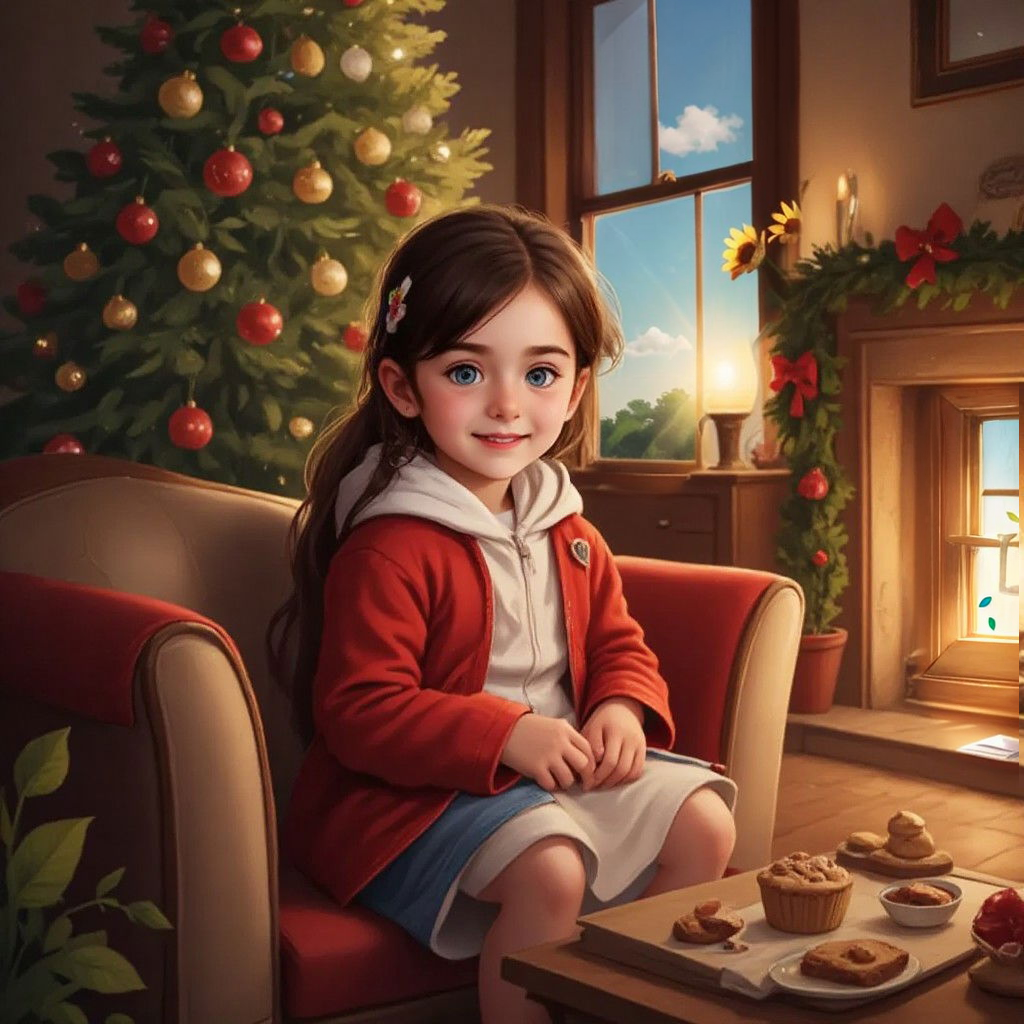
Sophie is a sweet, happy little girl. This year she will be spending Christmas with her dad (Theo) and his girlfriend Esti for the first time. She is excited about Christmas and all the fun they will have together. Esti and Theo loves her very much and want to make it super special for her. She loves her dogs Harley and Riley. Harley is naughty and chews Esti's socks. Riley is super sweet and loves hugs. Theo and Sophie love swimming in their big pool and Sophie loves building lego and playing with friends. It is a summer Christmas because they live in Cape Town South Africa.

On a small kibbutz in Southern Israel lives a six-year-old boy named Avi. Every day after school, Avi and his friends play soccer on a large field. Next to the field, a factory is being built. Avi’s dad, Mr. Ben-David, manages the construction site. Avi loves to visit him and learn about all the different things that go into building the factory - clearing the land, pouring the foundation, and erecting the frame. One sunny afternoon Avi wandered away from his soccer game to visit his dad. This was something he did often. But today was different. He noticed a new, unfamiliar face at the worksite. He approached the stranger and cheerfully introduced himself. “Shalom, my name is Avi,” he said to the man. The man, with a warm smile, turned to Avi. “Shalom Avi, it’s good to meet you. I'm Omar." He then performed a captivating magic trick with his hands, leaving Avi mesmerized. Avi noticed that the man spoke Hebrew, just as he did, but with a different accent. He also had a first name he hadn’t heard before. Avi wondered about this nice new stranger as he walked home with his soccer ball cradled beneath his arms. That evening, as his family shared dinner around the table, Avi asked his dad about the man. “aba, I met Omar today. He’s so nice. He has a funny accent and a funny name and can do magic tricks! Who is he? Where did he come from? Can I come see him again?” “Whoa, slow down Avi. What’s with all this curiosity?”, Mr. Ben-David replied. “I don’t know, Aba. It’s nice to meet new and different people. I think he liked meeting me, too!” “Well, Avi, Omar is Palestinian from Gaza and he will be crossing into Israel each day from now on to help with building the new factory. And each night he will go back to Gaza to be with his family. It’s a long day for Omar so perhaps you should let him focus on his work.” “I will aba, but I’m just so curious. He’s my new friend. If I see him when I come visit I’ll only talk to him a little bit.”
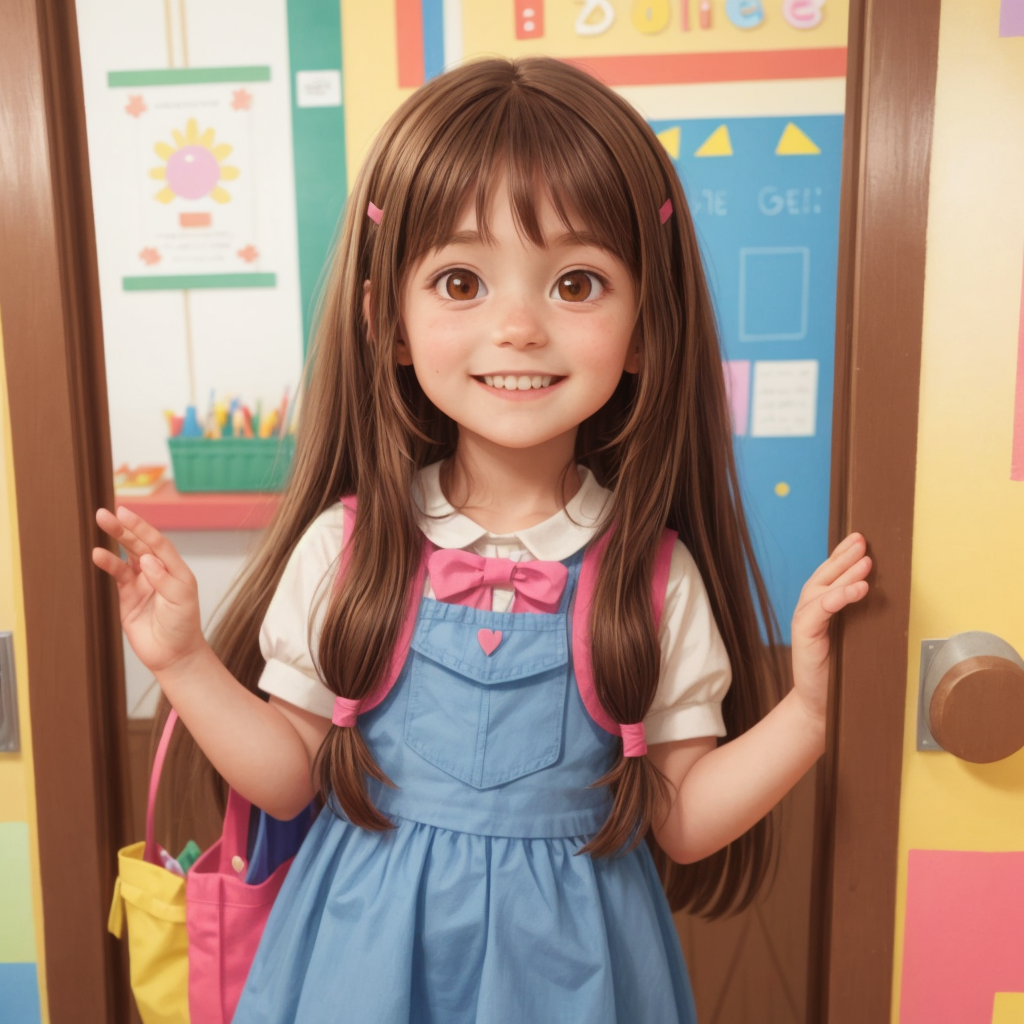
KINDFERGARDEN CHILDREN TALKED ABPIT FEEINGS FROM BOOKS SFTIRUES
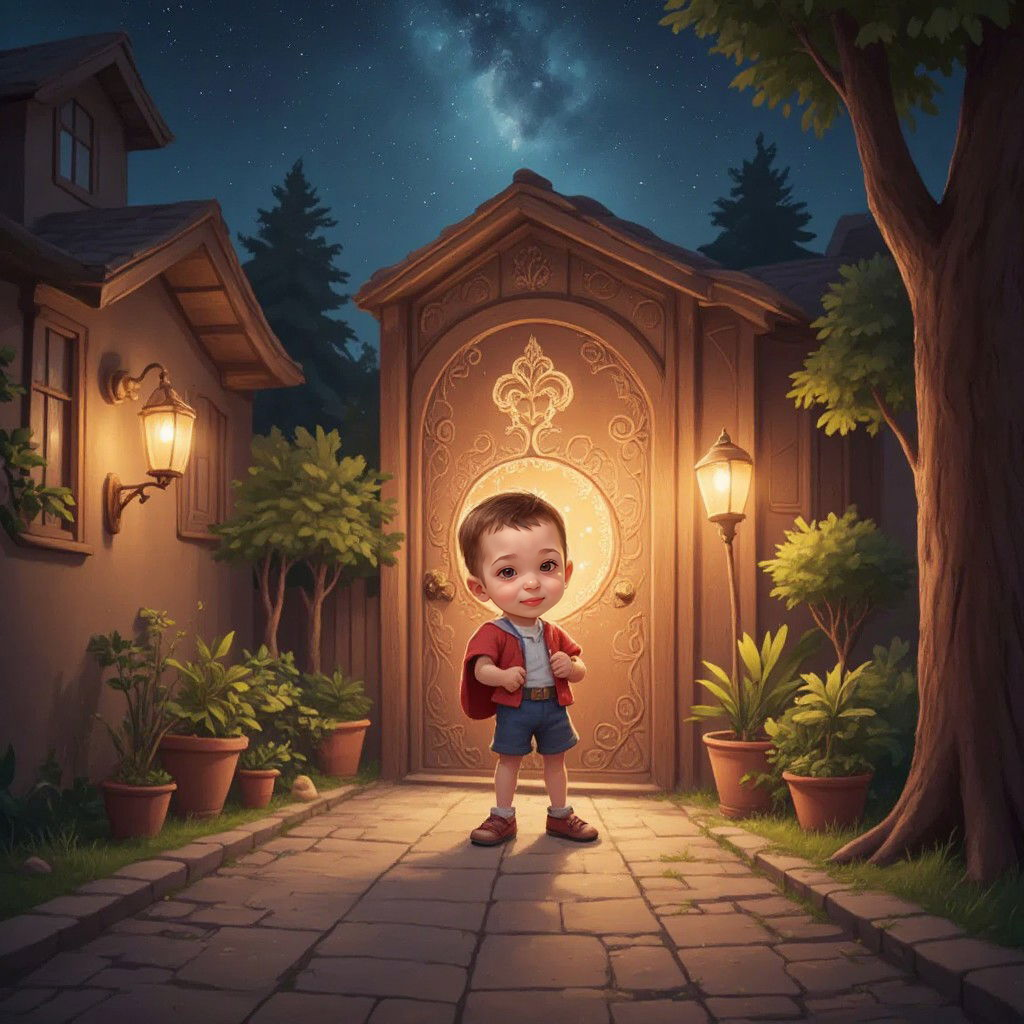
1.A BRAVE ANDREW OPENED A MAGIC COUNTRY. 2. ANDREW LEARNED A LOT OF INTERESTING THINGS ABOUT MAGIC COUNTRY OF ADVENTURES. 3. ANDREW MET NEW FRIENDS. 3.
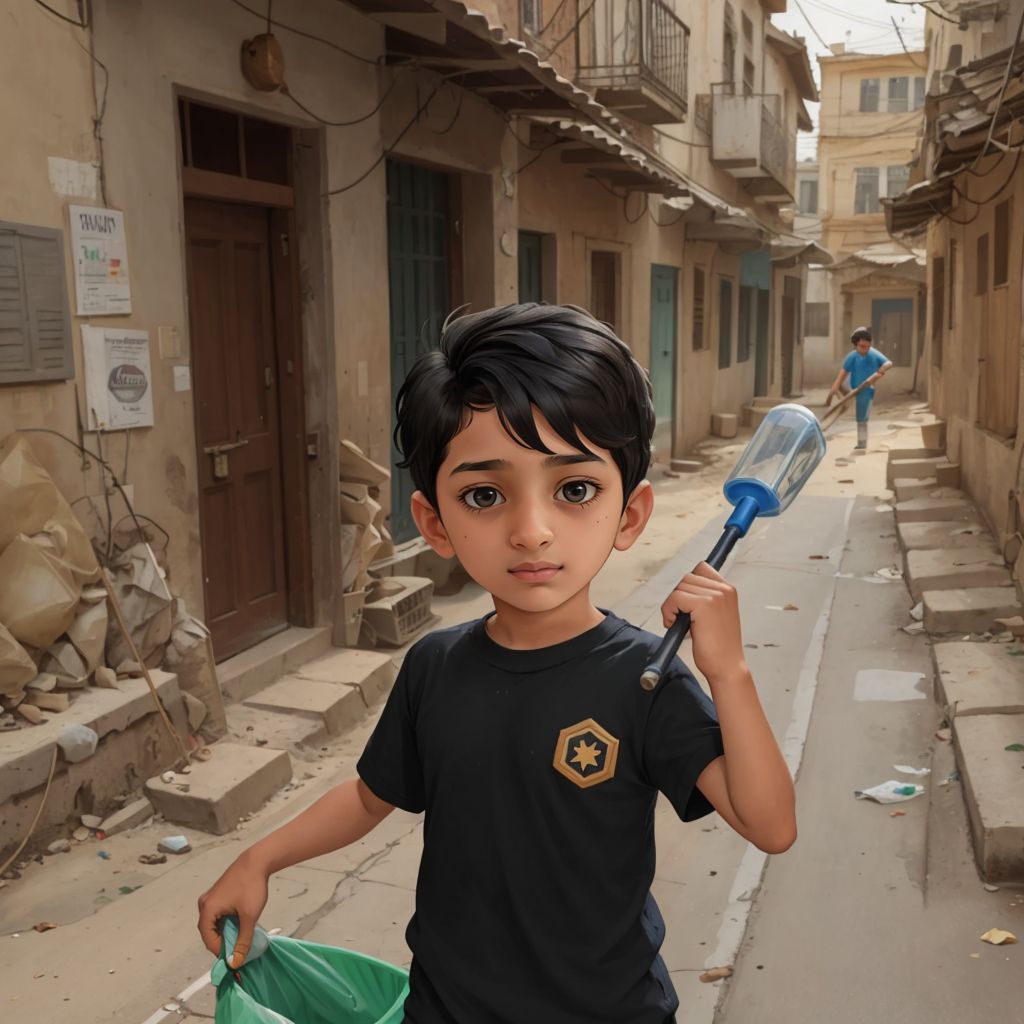
Muhammad raheel is a community leader as he always keeps the community clean.