
 Start Read
 Recommend

I was born in this historically and culturally rich hometown of Lung Yeuk Tau, but I grew up abroad. Every time I return here, it feels like stepping into a world where time has reversed. Every brick and tile here tells a story of the past. The old walled village, situated on the mountainside, stands with its majestic blue brick walls, seemingly narrating tales of repelling pirates. The steps in front of the village gate are cleverly designed as a defensive position, making it difficult for enemies to attack. The small holes and high platforms on the walls were used to monitor outside movements, ensuring the villagers' safety. Such intelligent architectural designs leave me in awe of my ancestors' wisdom. Passing through the ancient gate, I see orderly houses with winding paths paved with blue stones. Not far away, the grand ancestral hall—Song Ling Tang Gong Hall—showcases our family's long history. The exquisite wood carvings and murals inside the hall reflect our family’s glory and traditions. Beside the ancestral hall stands the Tin Hau Temple, with its red walls and yellow tiles radiating a sacred atmosphere. The ancient bronze bell inside tells of countless pious wishes, as if feeling the divine protection. The surrounding statues of the Earth God and the Goddess of Heaven further immerse me in the rich local beliefs. When I step into other walled villages like Dong Ge and Wing Ning, I can still sense the vigor of their long history. Although many walls are now damaged, I can still imagine the tense scenes of repelling pirates. The altars and other structures make me feel the sincere hopes of my ancestors for wealth and success. As I stroll through this culturally rich land, I can almost feel the footsteps of my ancestors and the vitality of this home. No matter where I go, my roots will always be here—in Lung Yeuk Tau.

In my story “in another shoes” I am I little kid who has a wealthy family built around him and has very nice things. And my friend blaze doesn’t have a big wealthy family built around him and doesn’t have very nice things.and Blaise invited me over to his house and I see that all his stuff isn’t as nice as mine and his house is smaller than mine and all, his stuff isn’t as nice as mine.after it. Makes me realize I greatful I should be for everything I have and not everyone has everything I have

Boy is scared of the monster in the closet but it's just a shadow

Ava and Rohan both are 5 years old. They were more than best friends—they were inseparable. From the moment they met in preschool

Once in the tranquil village of Sunnyslope, a steep hill separated the village from the lush forest beyond. Villagers often crossed it to gather wood and berries, but the hill was difficult for the youngest and oldest among them. In Sunnyslope lived the Millers, a family known for their kindness and inventive spirit. The youngest, Lily, noticed how her grandparents struggled to climb the hill during their weekly walks. Determined to help, she pondered a solution day and night. One sunny morning, as she watched her father, a skilled carpenter, work, inspiration struck. "Father, could we build something to make the hill easier to climb?" she asked. Her father, intrigued, listened as Lily described her idea: an inclined plane to ease the climb. Together, they sketched plans and gathered materials. They decided to build a gently sloping ramp that zigzagged up the hill, with benches along the way for resting. The villagers, inspired by the Millers' initiative, offered to help. After several days of hard work, the ramp was complete. It was a beautiful path, bordered by flowers planted by the villagers. The first to use it were Lily's grandparents, who walked up the hill with ease and joy. Soon, other villagers followed, enjoying the new path that made their journey easier and more pleasant. Lovingly named "Lily's Path," the inclined plane became a symbol of the village's unity and ingenuity. It brought people closer to nature and to each other. The villagers often gathered there, sharing stories and enjoying the view from the hilltop. Lily learned that even small ideas could make a big difference when fueled by compassion and supported by a community. Her heart swelled with pride every time she saw someone using the path, a reminder that kindness and creativity could indeed move mountains—or at least make them easier to climb.

in the house on a horse eating burger playing soccer

This book reveals that even in the most terrible place there are kind inhabitants who can come to your aid in difficult times.
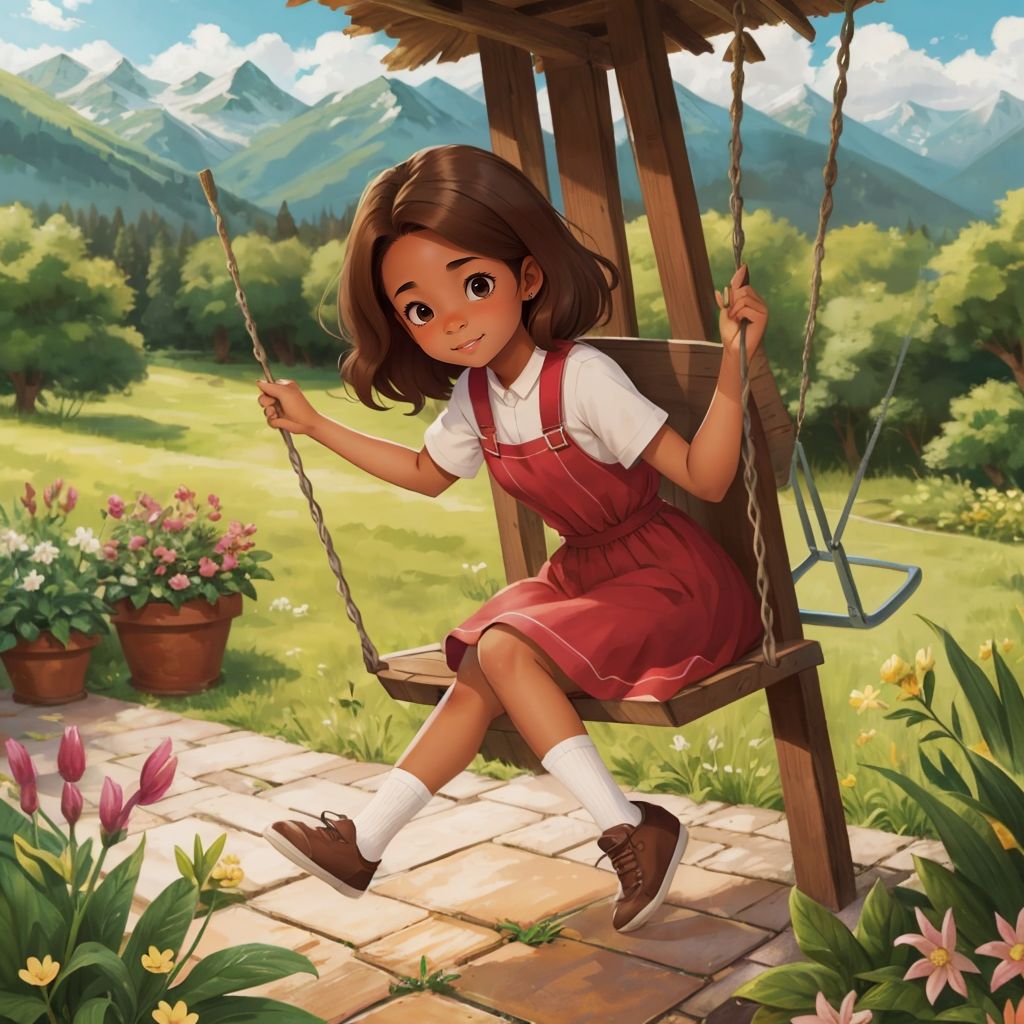
Poppy lived with her loving family. Her mum and dad in a beautiful house with a lovely view. She enjouyed nd played every day until something happned to her parents. They passed away and she had nowhere elsr to go except tp her aunt Maggi, her fahter's sister . She had to pack her things and leave the place she had known as home to live with aunty maggi

Eros sta diventando un uomo che realizza i suoi obiettivi. morale = sii gentile e verrai ricompensato dalla vita

Join Emma and Nate on the first of many heartwarming journeys of faith and discovery! In this sweet and thoughtful beginning to their adventures, 5-year-old Emma and her 3-year-old brother Nate explore what it means to learn about Jesus together as siblings. With wide-eyed curiosity and lots of questions, they uncover simple truths about love, kindness, and faith—one moment at a time. Perfect for young readers, this story celebrates the wonder of childhood and the joy of discovering Jesus through the eyes of little ones.

under the sea animals

Daniella and Dayana were two sisters who loved playing together. One Day, they found a Hidden path in the Forest that Led to a megical Garden. In the Garden, they saw flowers that glowed and trees that sang. But the Garden had a rule: the flowers only bloomed when the sisters worked together. One Day, Dayana wanted to pick all the flowers, but Daniella reminded her, "We need to share and care". When they worked together, the Garden became even more magical.

The story is about a young girl who always followed her parents' advice, despite the temptation to find her own way. Her parents teach her important life lessons, explaining the value of responsibility, honesty, and being considerate of others. However, the girl, curious and eager to explore, decides to act on her own one day, which leads to unexpected consequences. In the end, she realizes the importance of listening to the wisdom of her elders, while also learning to trust her own feelings and decisions. The story teaches the balance between the wisdom of generations and personal independence.
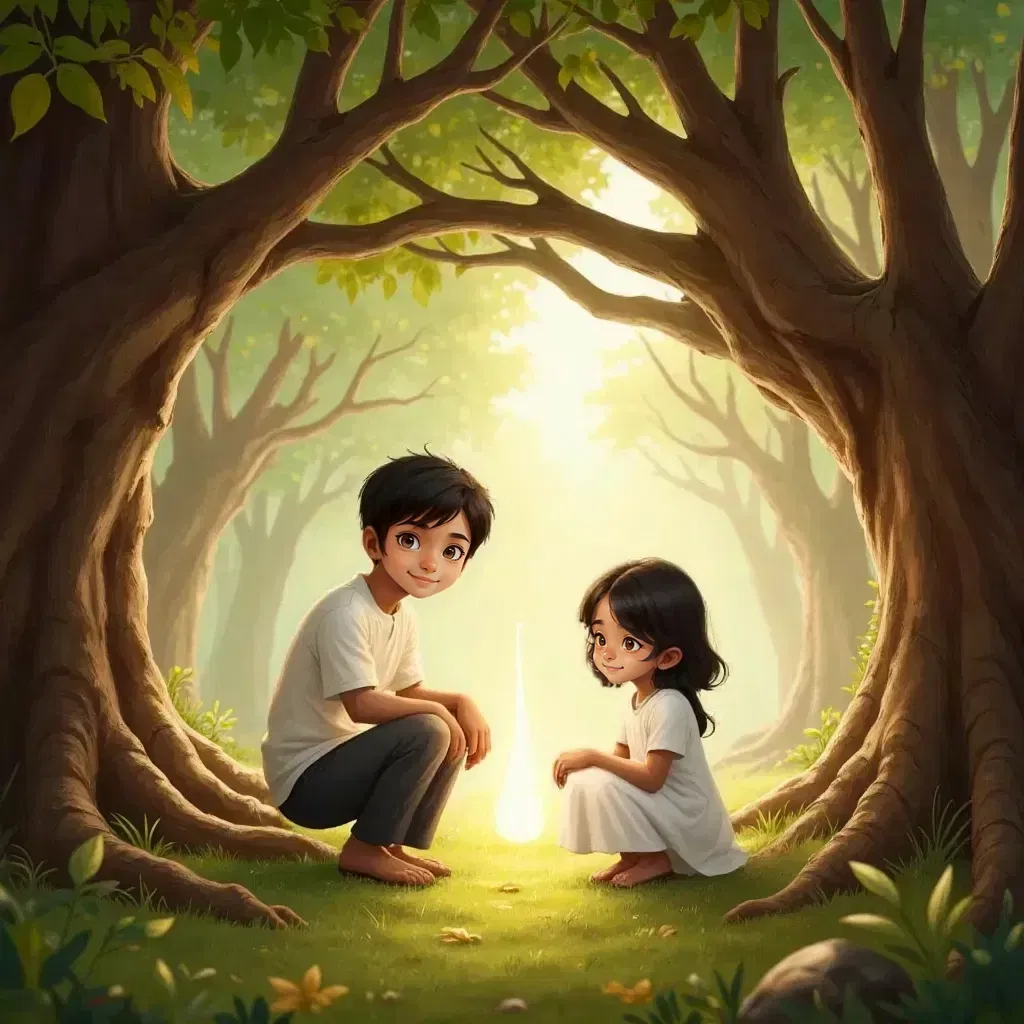
Ahimsa is kindness Do no harm Spread peace, spread love with open arms(2) No hurt, no hate only smile Kindness shines so bright Spreading love with all our might Helping hands and happy heart Kindness is love from the start We'll be kind to friends and those we meet We'll find kindness in every smile We'll share our toys and our time to Kindness is fun when we all do Kindness is fun when we all do

Bell is the Sea Explorer" is an engaging children's coloring and activity book designed for ages 3 to 7. The story follows Bell, a young adventurer, and his wise grandfather as they embark on exciting journeys through the magical world of the ocean. The 70-page book combines enchanting stories, fun activities, and stimulating coloring pages to educate young readers about ocean conservation, marine life, and the importance of protecting our planet. Bell and his grandpa explore coral reefs, encounter friendly marine creatures, and share valuable lessons about environmental responsibility. The book covers various themes, including the wonders of the underwater world, the importance of recycling, and the need to reduce plastic pollution. It aims to inspire a love for nature, teach ecological awareness, and encourage children to become mindful stewards of our precious oceans. "

Hiduplah seekor anjing di hutan

מלכה ומלך הפוכים. המלך מנסה לרצות את המלכה לכבוד יום ההולדת שלה אבל מגלה שטעה ביום.

1. A little girl named Lily goes follows a rabbit and it leads her to a giant garden in her backyard 2. Inside the castle are live talking vegetables 3. She asks who each one is 3. They tell her what type of nutrition they provide 4. next she hears her mom call her for dinner 5. She goes inside her house and fixes her own plate because she now knows how to choose the good foods 6
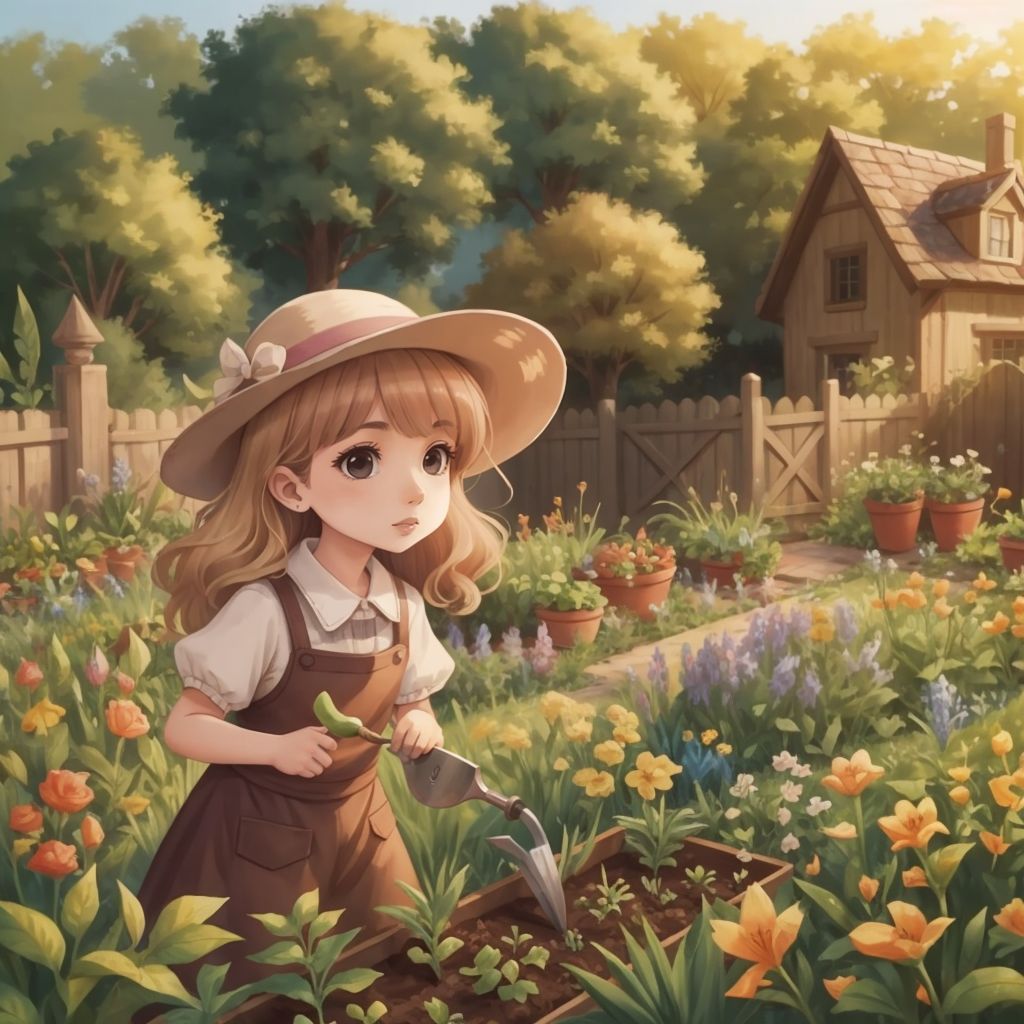
Mona Pink plants a garden with flowers of every color. As she waters and cares for them, she learns about different colors and how plants grow.
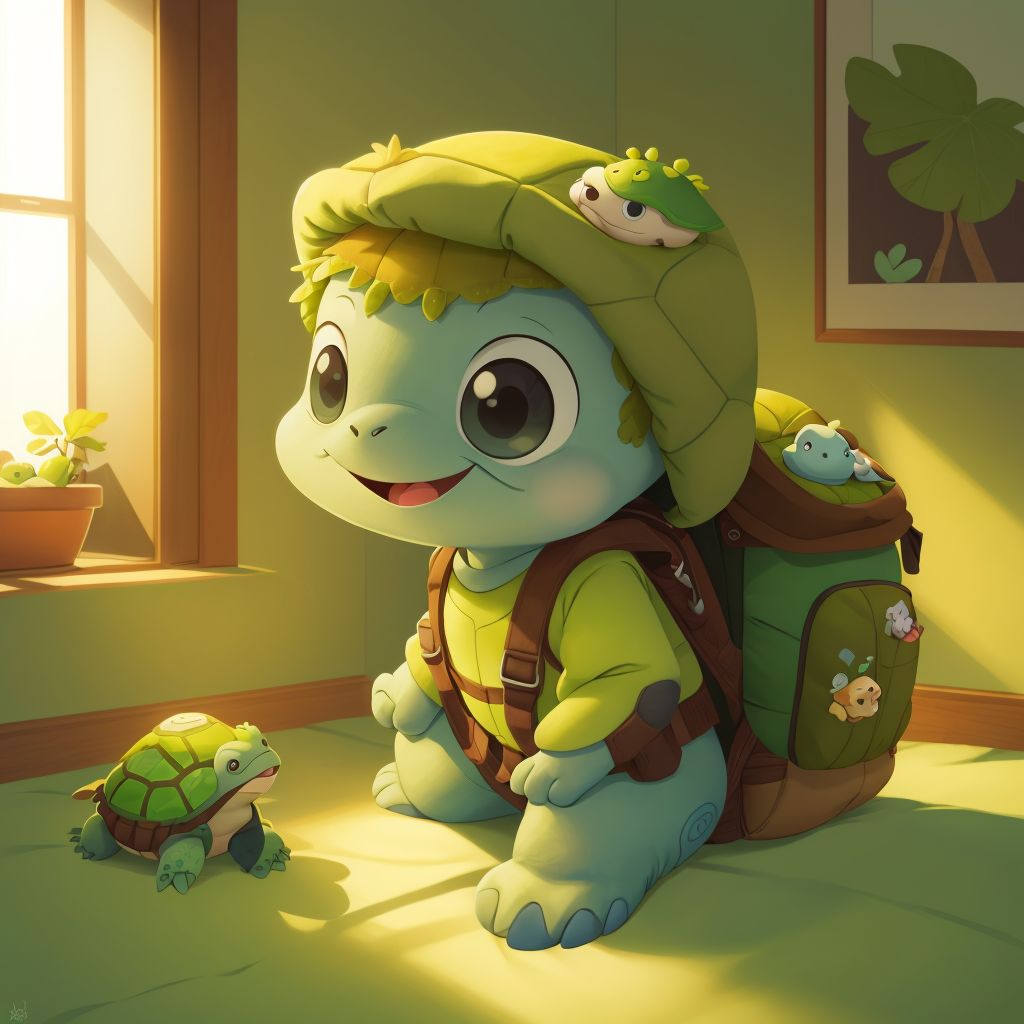
Turtle is getting ready for his first day of school at Ashton Ballito. He is feeling a few butterflies in his tummy but he is excited to play with his friends, Starfish and Seahorse.